 Since 1974
 Artists
Meet Our Artists
Toko Gallery opened in Mashiko in 1974 and represents more than forty ceramic artists working in Mashiko and the surrounding region. Around twenty-four exhibitions are held each year across the gallery’s four spaces, and more than 1,000 have been held since the gallery opened. Not all of these artists live in Mashiko. Some were born in the town and work at kilns there; others are based elsewhere in the Kantō region and beyond, and show here regularly. The twenty profiles below set out what can be documented for each artist: where they trained, when they built their kilns, what they make, and how they describe their own work.
Akemi Aigami | Takayoshi Aeba | Shinsuke Iwami | Yoshifumi Ogino | Masayoshi Otsuka | Kazuhiro Otsuka | Masaho Ono | Yuko Ono | Yoshiko Kasahara | Kenji Tayama | Hidenori Nagumo | Hideaki Numano | Yoshinori Hagiwara | Ryuji Hodaka | Kazumi Mita | Hinata Miyuki | Shuichi Motosu | Fumiya Mukoyama | Keiji Yaguchi | Euan Craig
Akemi Aigami(相上暁美)
相上暁美: profile and works on our Japanese site (in Japanese)
Akemi Aigami works in Kōnosu, Saitama. Born in Saitama in 1972, she entered the State University of New York at New Paltz in 1991 to study ceramics and graduated from its ceramics department in 1996. During those years she assisted at the summer session of Penland School of Craft and held a scholarship at Greenwich House Pottery in New York.
She returned to Japan in 1997 and spent the following year at the Saga Prefectural Arita College of Ceramics, training in underglaze and overglaze painting. In 1999 she completed the course and built her own kiln in Hanyū, Saitama. She moved to Kōnosu in 2005 and has worked there since.
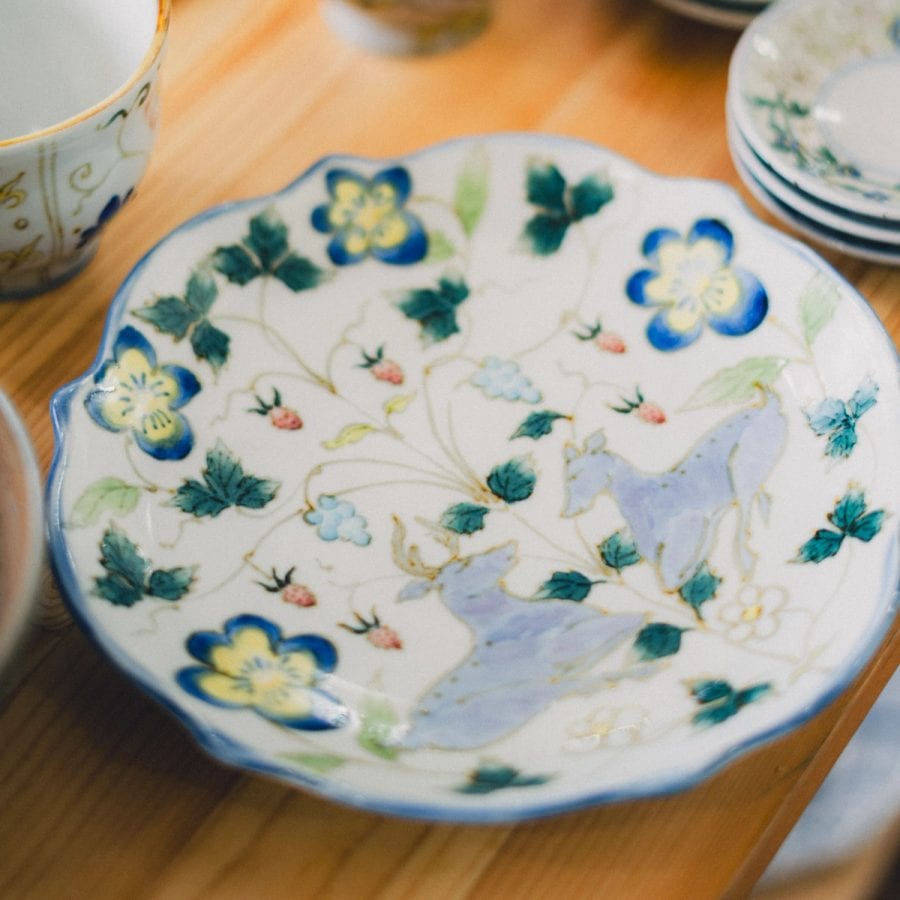
Her decoration draws on Romanesque ornament, which captivated her during her university years. Fine brushwork carries arabesques and flowers across footed teacups, teapots and tea saucers: a viola, a sweet pea, a scrolling vine.
"I hope to make vessels through which people feel something in everyday use: a sense of ease, a moment of noticing, or simply a happiness that is already there."
Akemi Aigami
Takayoshi Aeba(饗庭孝昌)
饗庭孝昌: profile and works on our Japanese site (in Japanese)
Takayoshi Aeba works in Mashiko. Born in Tokyo in 1969, he began studying under the potter Shūgō Takauchi in 1993, and in 1998 set up independently in Mashiko, building his own kiln. He added a noborigama, a wood-fired climbing kiln, in 2013.
He met the potter Yoshinori Hagiwara in 2005, at an exhibition of climbing-kiln work by emerging Mashiko makers, and the two have since shared firings of a climbing kiln. Their joint exhibition was held in Toko Gallery’s stone storehouse in March 2025.
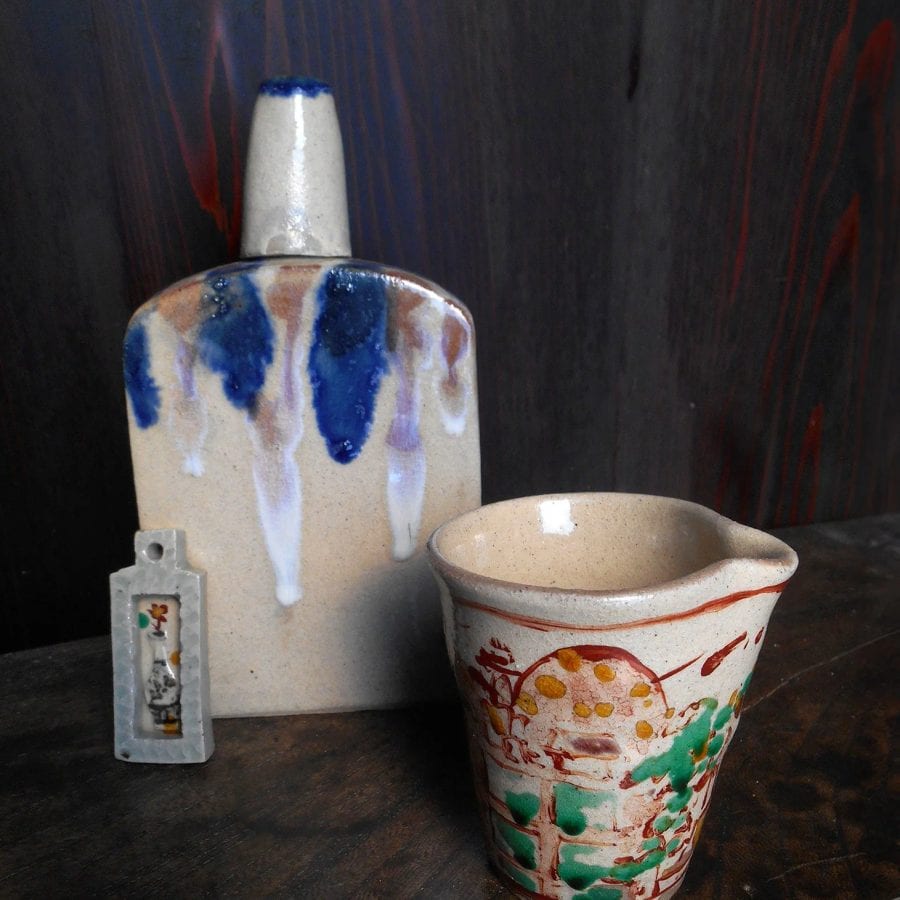
His range takes in white porcelain, celadon and iron-oxide brushwork: a white porcelain sake cup, a celadon oval dish, a small cup painted in iron.
"I work with materials close at hand and motifs close at hand, with what can be made in the place where I am, and through them I express a wide and large world."
Takayoshi Aeba
Shinsuke Iwami(岩見晋介)
岩見晋介: profile and works on our Japanese site (in Japanese)
Shinsuke Iwami works in Yamamoto, Mashiko. Born in Tokyo in 1964, he graduated from the painting department of Tama Art University in 1989. He came to Mashiko in 1995 to study under the potter Hiroshi Nakayama, spent 1996 training at a pottery workshop in the town, and set up independently in Yamamoto in 1998. He built an anagama, a single-chamber tunnel kiln, in 2002.
Two long projects have since taken him abroad. From 2007 to 2015 he took part in a project to revive traditional Cambodian pottery, and from 2016 to 2022 he gathered raw materials and made work on the Danish island of Bornholm.
His pots have also been chosen for the table. Work by Iwami was among the vessels used to serve the tasting menu at noma Kyoto, the pop-up the Copenhagen restaurant held in Kyoto in the spring of 2023.
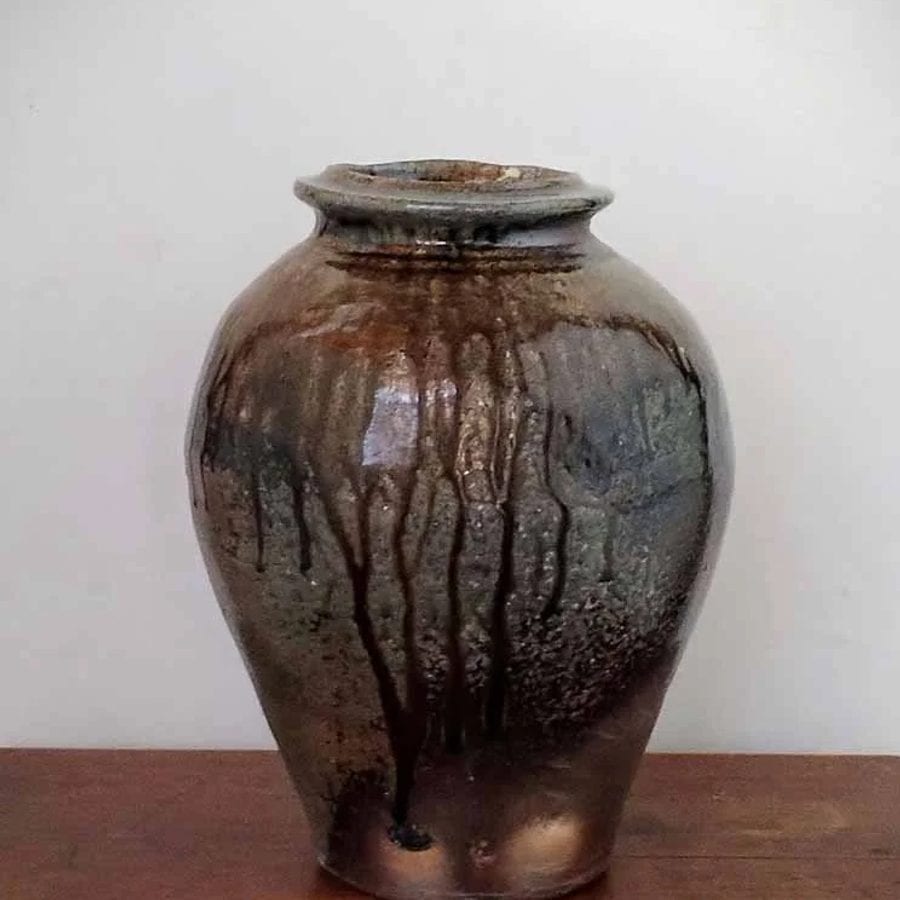
His own pieces include unglazed, high-fired yakishime bowls, and tea bowls carved and inlaid in the mishima manner.
"What makes ceramics worth doing, to my mind, is that you can cut a piece out of the earth and build something from nothing, without buying anything at all."
Shinsuke Iwami
Yoshifumi Ogino(荻野善史)
荻野善史: profile and works on our Japanese site (in Japanese)
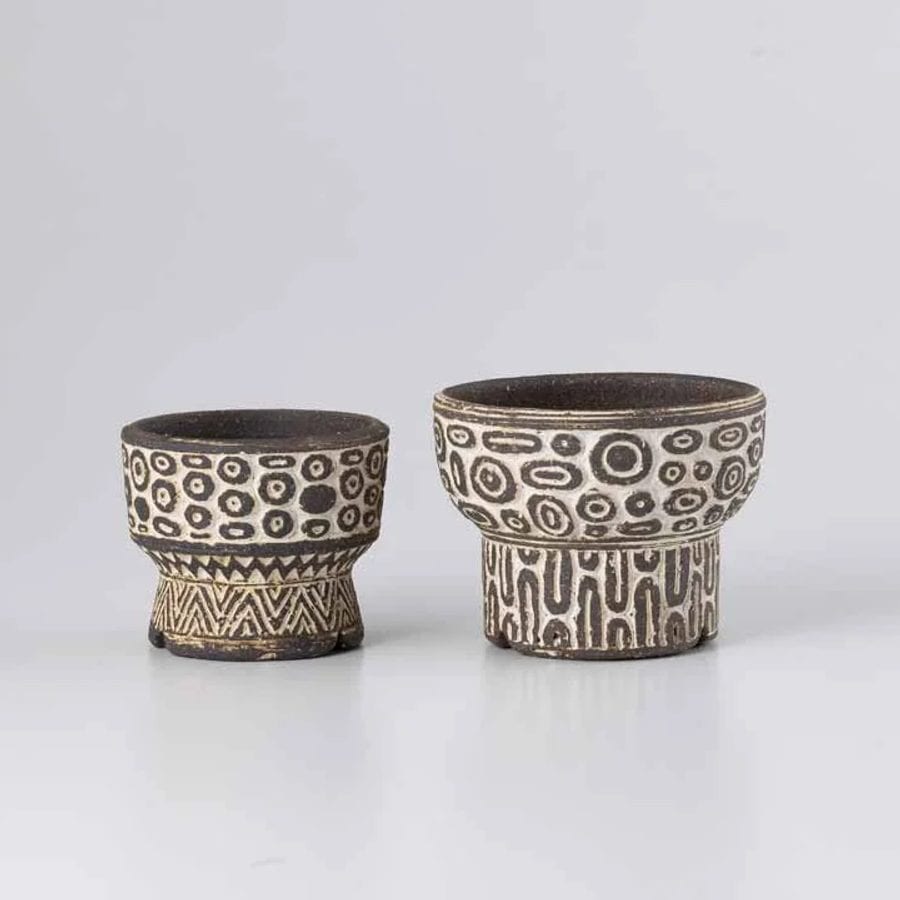
Yoshifumi Ogino works in Saitama. Born in Tokyo in 1981, he majored in ceramics in the department of formative arts, faculty of Japanese culture, at Meisei University, graduating in 2005. He built his kiln in Saitama in 2007.
The pieces shown at Toko are for daily use: cups and saucers, curry plates, large mugs. Toko Gallery has held a solo exhibition of his work every year since 2020, and the 2026 exhibition will be the seventh.
"What I care about in making is whether my own heart moves: a comfortable fluctuation, where to put in and where to leave out. One of my underlying ideas is the expression of a Japanese animism that has continued since ancient times. And just as we are moved by old pots, I work hoping to make things that people a hundred or a thousand years from now can be moved by."
Yoshifumi Ogino
Masayoshi Otsuka(大塚雅淑)
大塚雅淑: profile and works on our Japanese site (in Japanese)
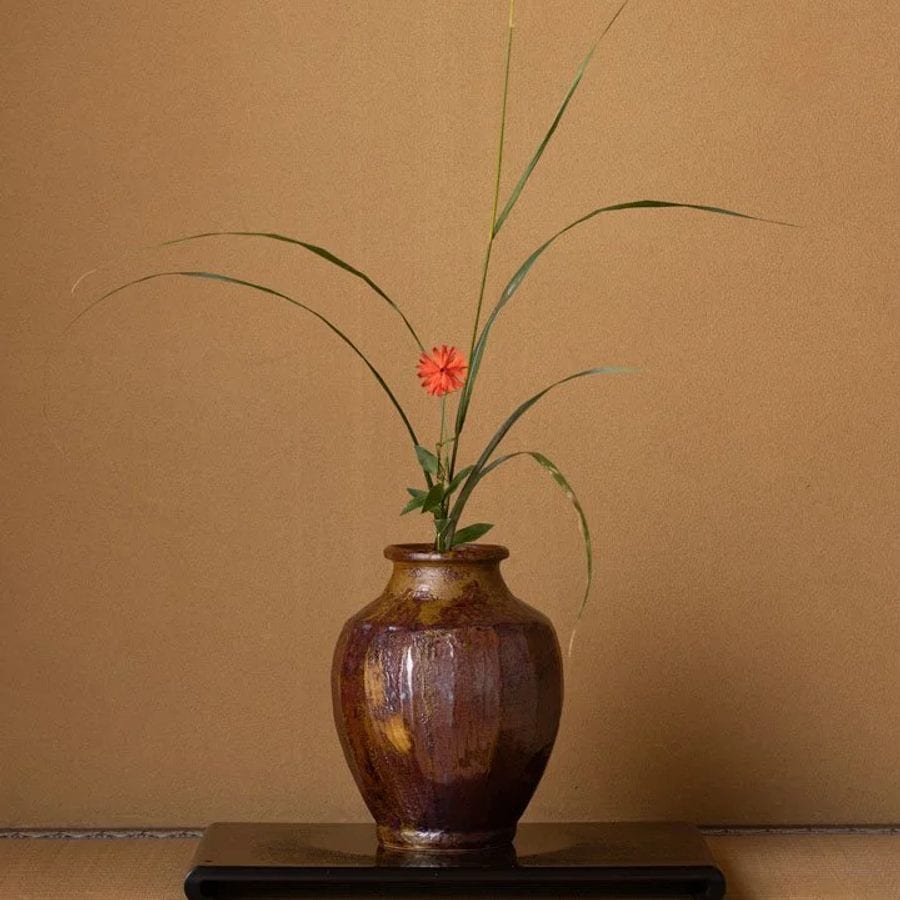
Masayoshi Otsuka is the second generation at Ken’ichi kiln in Mashiko. Born in the town in 1976, he completed the trainee and research courses at the Tochigi Prefectural Ceramics Institute in 1995, and from 1997 studied under his father Ken’ichi Otsuka, a certified Traditional Craftsman.
He first entered Kokuten, the annual exhibition of the Kokugakai art association, in 2004, was selected that year, and has been selected every year since. He became an associate member of the Kokugakai in 2008. His work was selected for the Tochigi Prefectural Arts Festival in 2009 and the Tochigi Prefectural Art Exhibition in 2010. In 2014 he was certified as a Traditional Craftsman of Mashiko ware.
He works in the traditional Mashiko glazes: nuka, the white rice-husk-ash glaze, and kaki, the iron-rich persimmon glaze, sometimes divided across a single pot.
"I make as the second generation of Ken’ichi kiln, and as a certified Traditional Craftsman of Mashiko ware. Using the traditional glazes of Mashiko, I hope to make, little by little, things that suit the way people live now."
Masayoshi Otsuka
Shop Masayoshi Otsuka’s Work →
Kazuhiro Otsuka(大塚一弘)
大塚一弘: profile and works on our Japanese site (in Japanese)
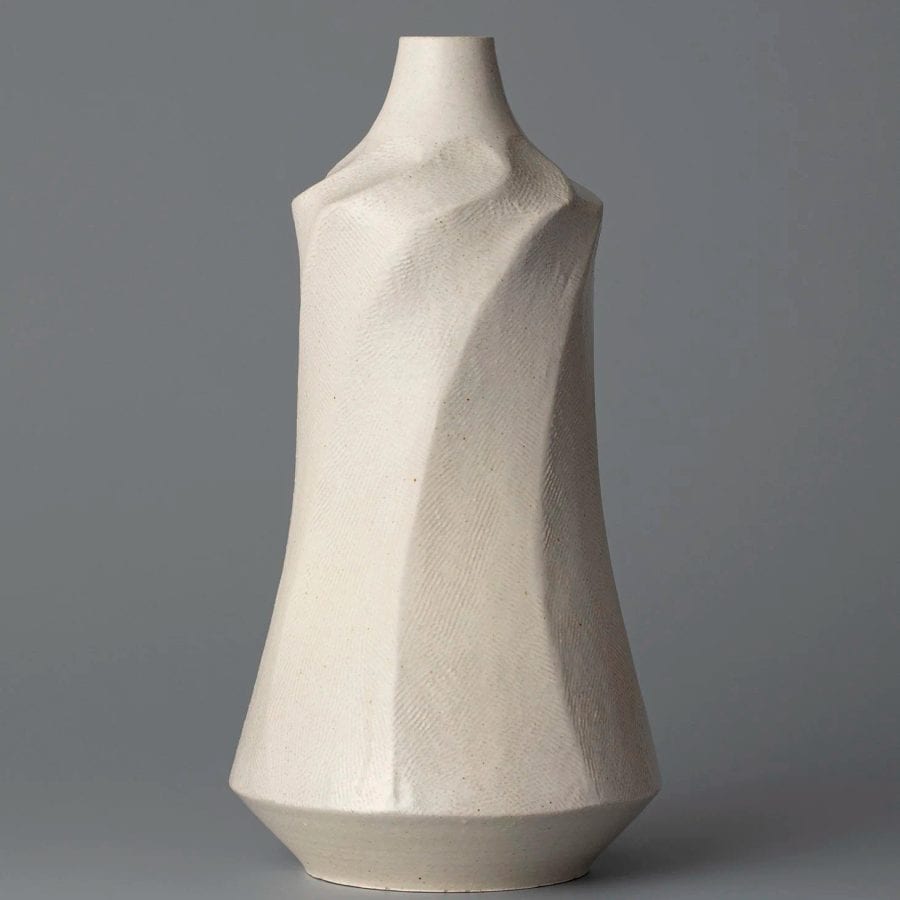
Kazuhiro Otsuka works in Mashiko, Tochigi, as the second-generation potter at Sei kiln. Born in Mashiko in 1966, he graduated from the industrial crafts course at Tokyo Designer Gakuin in 1987, taking an Encouragement Prize at the graduation exhibition, and completed the research course at the Tochigi Prefectural Ceramics Institute the following year. In 1989 he began working with his father, Seishō Otsuka, as the second generation at Sei kiln.
He founded Project Mashiko in 2003 and serves as its representative. In 2004 he helped produce Miyake-yaki, a ware made with volcanic ash, for the recovery effort on Miyake Island; the work was filmed for national television.
He was first selected for the 79th Kokuten, the annual exhibition of the Kokugakai art association, in 2005, and won an Encouragement Prize there the following year, with selections continuing regularly since. At the Tochigi Prefectural Arts Festival he took the Second Grand Prize in 2009 and the Arts Festival Prize in 2010. He was certified a Traditional Craftsman of Mashiko ware in 2014 and became an associate member of the Kokugakai in 2016.
"As the second generation at Sei kiln, I make pots while keeping the tradition of Mashiko ware and thinking about a new Mashiko ware, hoping that it may one day become tradition itself. Vessels made with designers and with French chefs, work made from raw clay: I mean to keep taking on new things."
Kazuhiro Otsuka
Masaho Ono(小野正穂)
小野正穂: profile and works on our Japanese site (in Japanese)
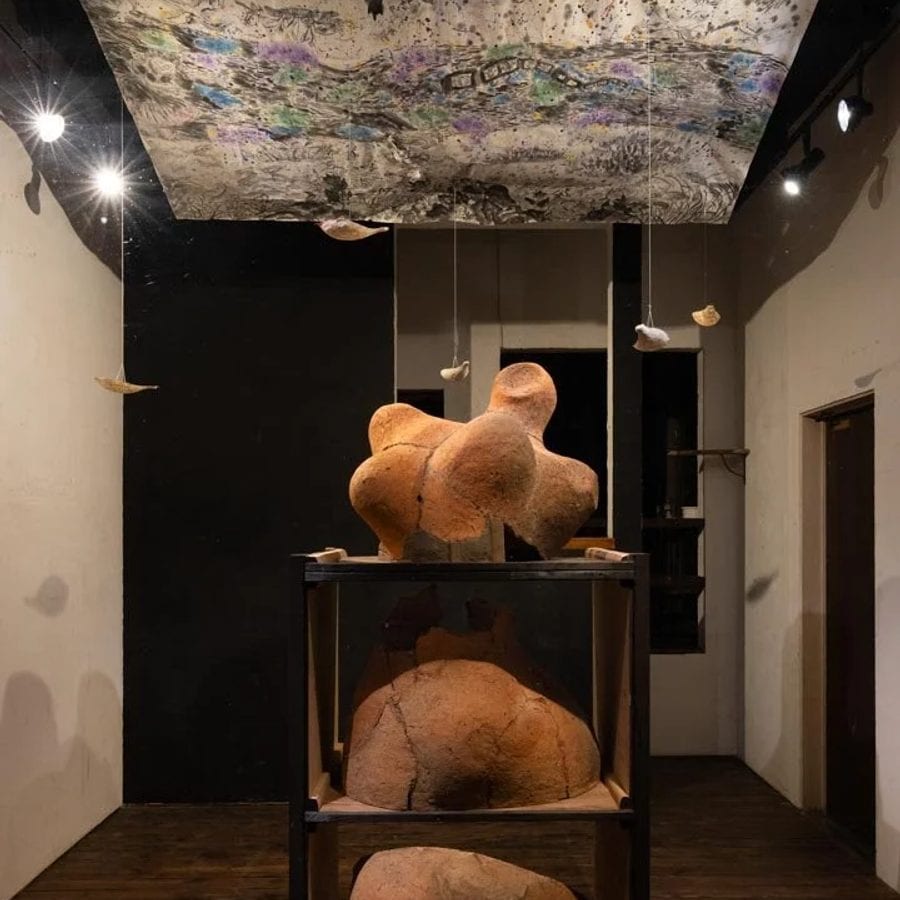
Masaho Ono works in Mashiko, Tochigi. Born in Kōriyama, Fukushima, in 1947, he completed the advanced ceramics course at Aichi Prefectural Seto Ceramics High School in 1981, then spent a year studying glazes and design at the Nagoya Industrial Technology Research Institute. In 1983 he came to Mashiko to study under Tappo Narui, and in 1986 he built his own kiln there and set up independently.
He traces his start to a pine grove in a park near his childhood home, where he found reddish-brown clay streaked with white under the fallen leaves. He pressed his fingers into it to build a pinball board, with pits, bridges, ramps and tunnels set against the goal, and his friends gathered to roll marbles down it. He still counts it among his best pieces of clay work.
"With the clay, with the fire, and full of excitement: lightly, giving it a spin."
Masaho Ono
Yuko Ono(小野優子)
小野優子: profile and works on our Japanese site (in Japanese)
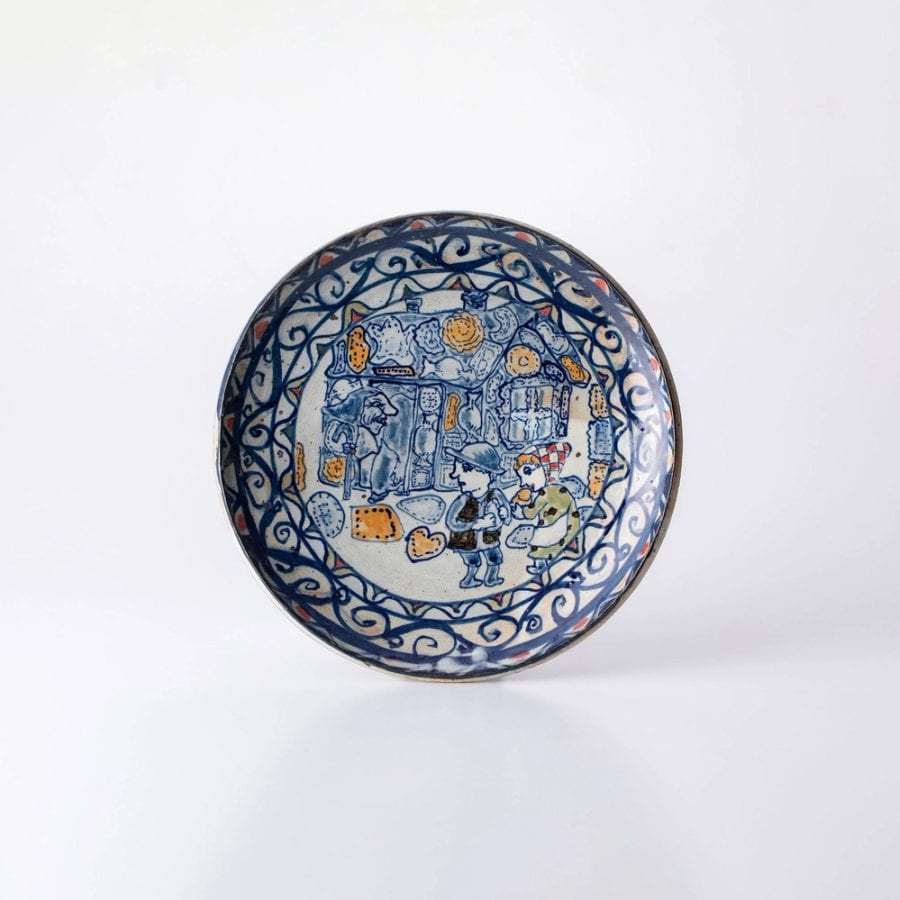
Yuko Ono was born in Sasayama, Hyōgo (now Tamba-Sasayama), in 1949, and came to ceramics through painting. She completed her studies at Kyoto Women’s University in 1972 and studied drawing and oil painting at the Kansai Art Institute, finishing in 1974. In her thirties she went to a ceramics school: she completed the advanced ceramics course at Aichi Prefectural Seto Ceramics High School in 1983, learning sometsuke, underglaze blue painting. In 1984 she studied oil painting and croquis at Kobe Geijutsu Gakurin and held her first exhibition of painted ceramics at a gallery in Mashiko.
She was selected for the Hangushō exhibition in Kyoto in 2007 and became a member in 2012. She has also been a screening member (2007) and an entrusted member (2013) of the International Kakyō Calligraphy Exhibition.
Her subjects come from stories. In junior high school her father suggested she read Homer, her introduction to Greek mythology, and she has since painted Greek myths, Little Red Riding Hood, Grimm’s tales and Pippi Longstocking onto paper and pots.
"As a child I loved to draw, and I loved stories. I want to remember how I felt then, and to play with my heart once more."
Yuko Ono
Yoshiko Kasahara(笠原良子)
笠原良子: profile and works on our Japanese site (in Japanese)
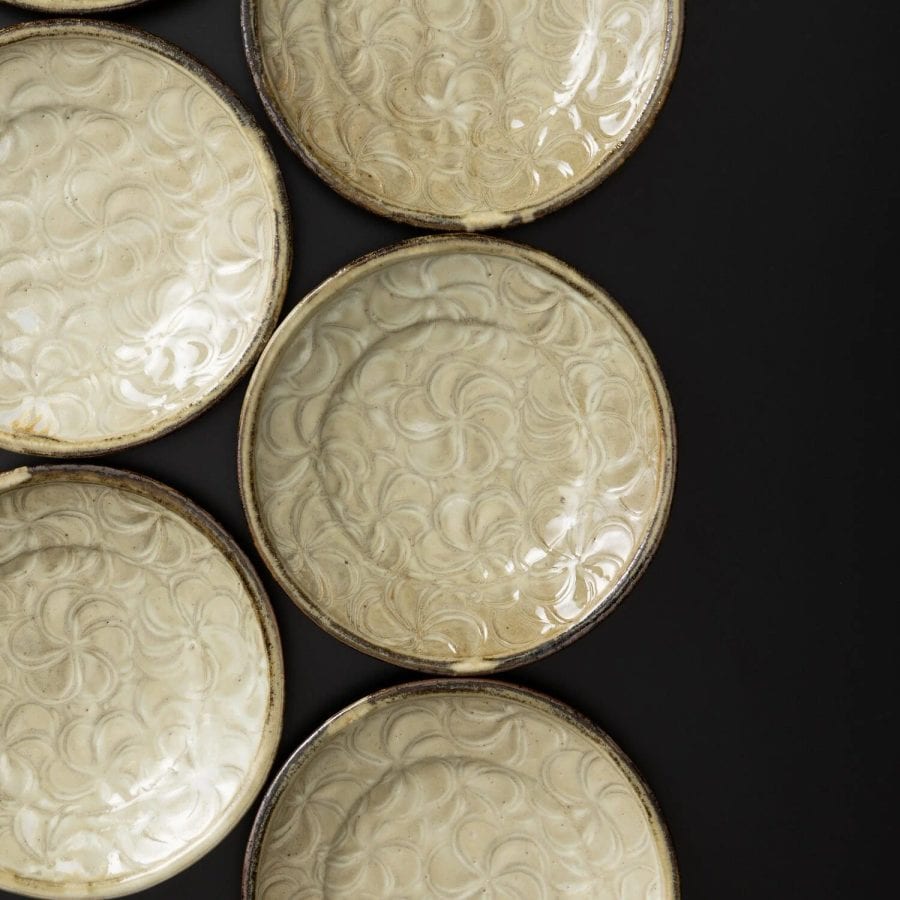
Yoshiko Kasahara works in Ichikai, Tochigi. She graduated from the Department of Fine Arts at the College of Art, Nihon University, in 1998, and completed the training course at the Tochigi Prefectural Ceramics Institute in 2000, the same year she began studying under Tatsuzō Shimaoka in Mashiko. Shimaoka (1919–2007), a pupil of Shōji Hamada, was designated a Living National Treasure in 1996, the second potter from Mashiko to receive the designation. She built her own kiln in Motegi, Tochigi, in 2006 and moved it to Ichikai in 2014.
She works outside Mashiko itself, but with the town’s materials: local clay and the traditional Mashiko glazes, formed by hand one piece at a time.
"I use the clay of Mashiko and its traditional glazes, and I make each vessel by hand in a design that suits the way people live now. I would be glad if using them made daily life feel a little richer and a little more enjoyable."
Yoshiko Kasahara
Shop Yoshiko Kasahara’s Work →
Kenji Tayama(田山健司)
田山健司: profile and works on our Japanese site (in Japanese)
Kenji Tayama was born in Kasama, Ibaraki, in 1964. He graduated from the Department of Sculpture at Musashino Art University in 1988 and went on to complete the ceramics course at the Kyoto Prefectural Technical Institute of Ceramics in 1991.
In 1997 he took part in artistcamp in kasama, and the following year joined the ceramics group From Zero. A three-person exhibition in Tokyo followed in 2000, and a two-person show in Iwaki, Fukushima, in 2001. In 2003 he held a solo exhibition at Toko’s Art Space Jonaizaka in Mashiko and joined a group ceramics exhibition in Ibaraki; another group exhibition, at a museum in Ibaraki, followed in 2004. Solo exhibitions came in Mito in 2005 and 2010, and in Kasama in 2009. Since 2014 he has held a solo exhibition at Toko every year.
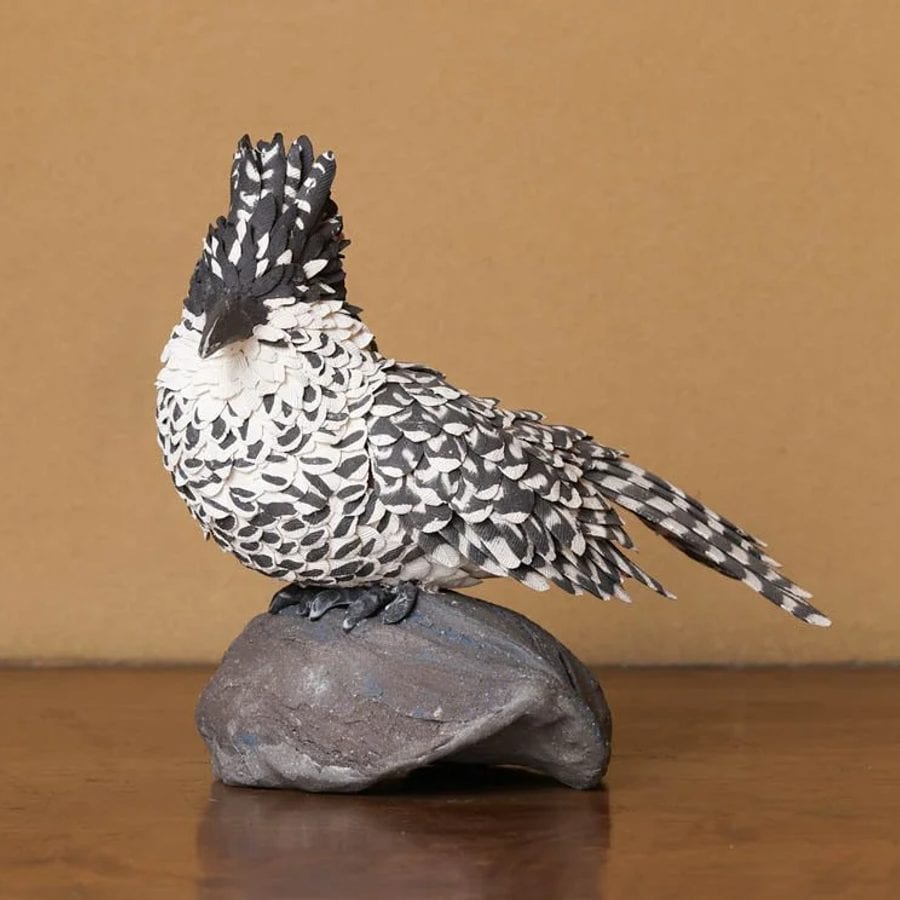
Among the forms he works in are birds, modeled in clay.
"I make pots, and live, with the aim of being together with nature. I want to find the many different expressions clay can hold, but I am careful not to let myself be carried away by sentiment."
Kenji Tayama
Hidenori Nagumo(南雲英則)
南雲英則: profile and works on our Japanese site (in Japanese)
Hidenori Nagumo works from Nasukarasuyama, Tochigi. He was born in Oyama, Tochigi, in 1973, graduated from the Faculty of Sociology at Waseda University in 1998, and entered ceramics in Mashiko that same year. He built his first kiln in Oyama in 2002 and moved it to Nasukarasuyama in 2009.
His work has twice been honored at the Tochigi Prefectural Art Exhibition: the Grand Prize at the 35th exhibition in 2021, and, at the 38th in 2024, the Award of the Minister of Education, Culture, Sports, Science and Technology, given in the name of the national ministry responsible for culture and the arts.
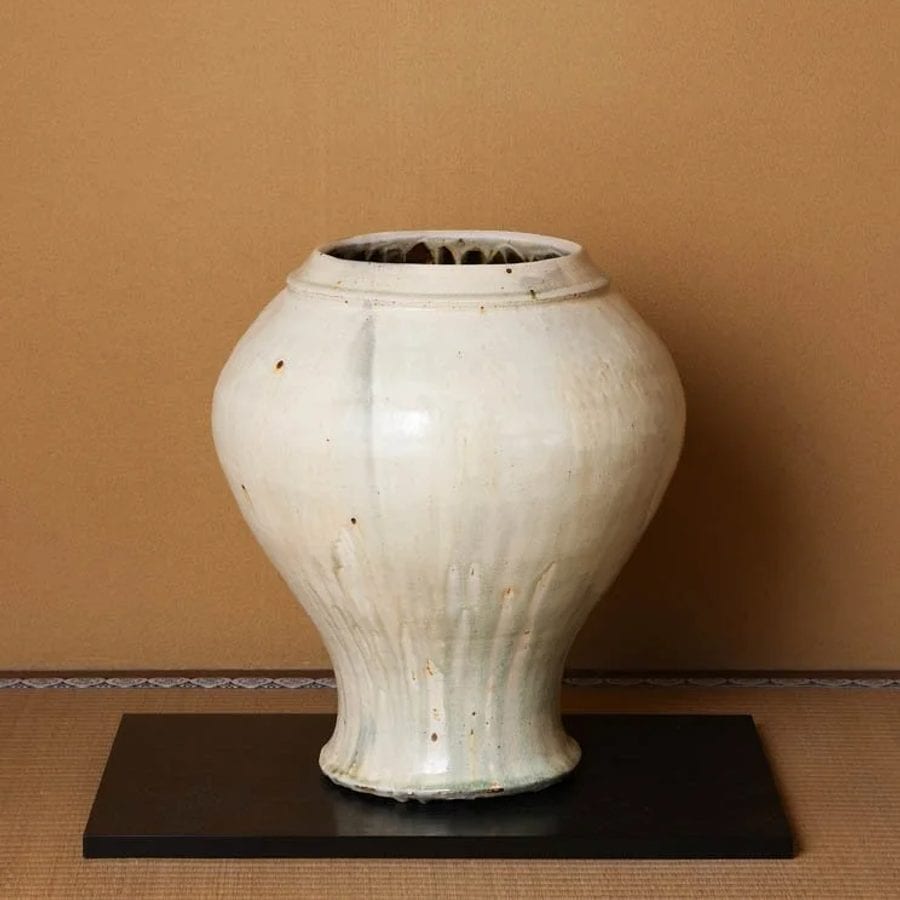
The color of his pots comes from the materials rather than from applied decoration. He uses clay close to its raw, unrefined state and glazes made from natural raw materials, so that iron from the clay and iron from the ash color the surface as they meet in the firing.
"I work with the simplest designs I can manage. The clay is close to raw earth, the glazes use natural materials, and the color that appears is the natural response of iron from the clay and iron from the ash. I hope these pieces will stay in use for many years."
Hidenori Nagumo
Hideaki Numano(沼野秀章)
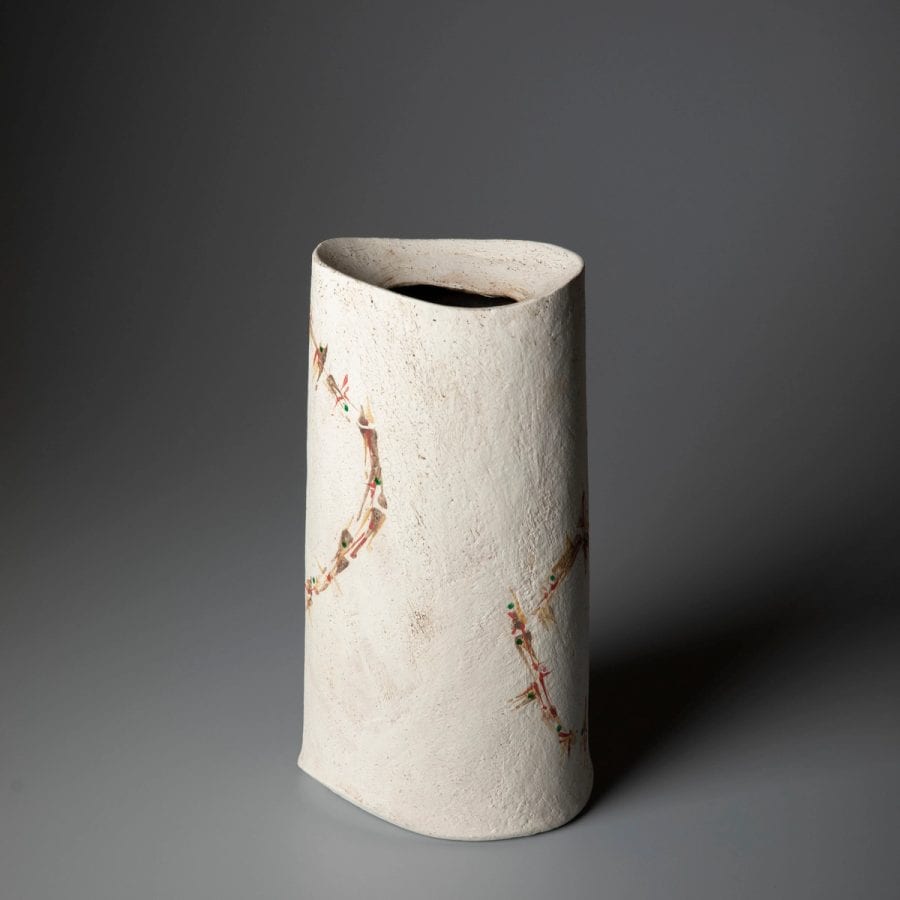
沼野秀章: profile and works on our Japanese site (in Japanese)
Hideaki Numano works from Kasama, Ibaraki. Born in Fukushima in 1976, he graduated from the ceramics course at Bunka Gakuin Art College in 1996 and trained at the Ibaraki Prefectural Ceramic Art Institute in Kasama the following year. In 2001 he began studying under the potter Hiroshi Komazawa and built his own kiln at Oshibe in Iwama, Ibaraki. He moved to Kasama in 2009.
Kasama lies immediately next to Mashiko, and the two towns are connected in their materials as much as in their history: Keizaburō Ōtsuka, the founder of Mashiko ware, learned his trade in Kasama.
Numano describes his practice in a single sentence.
"If only I could make vessels day by day, the way a person keeps a diary or writes a letter."
Hideaki Numano
Yoshinori Hagiwara(萩原芳典)
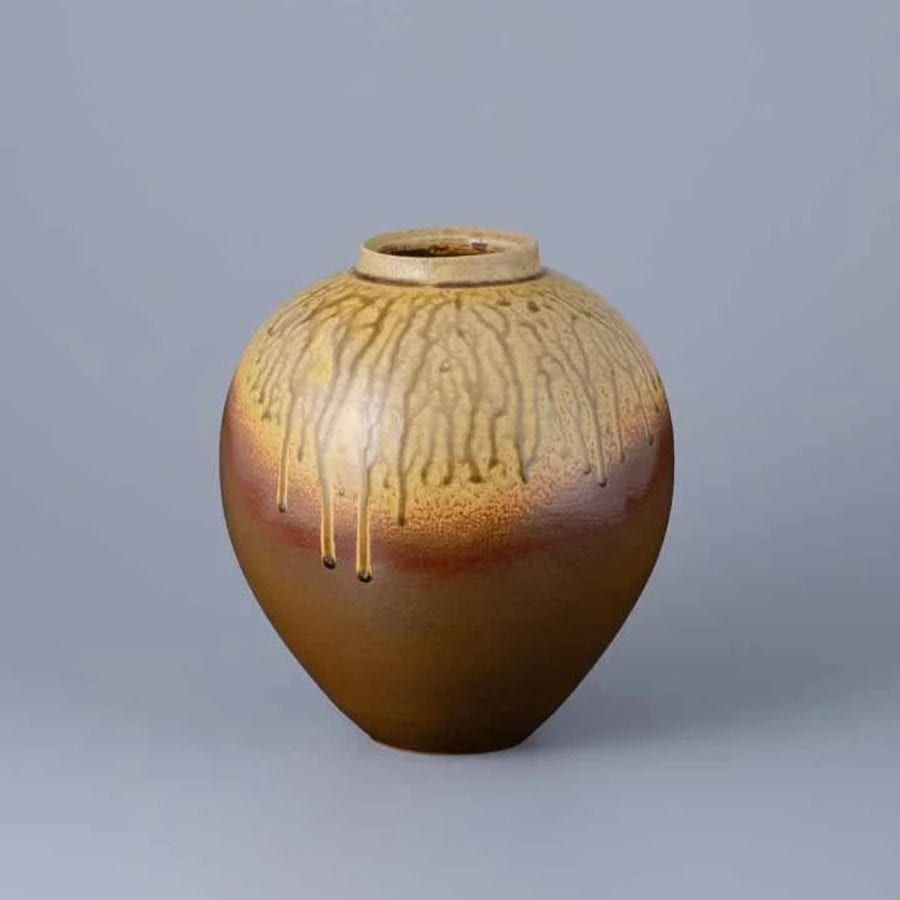
萩原芳典: profile and works on our Japanese site (in Japanese)
Yoshinori Hagiwara is the fifth generation of the Hagiwara pottery in Mashiko, where he was born in 1974. He completed the apprentice and research courses at the Tochigi Prefectural Ceramics Institute in 1994.
His work was selected for the 61st Tochigi Prefectural Arts Festival exhibition in 2007 and for the 25th Tochigi Prefectural Art Exhibition in 2010, and has been selected for both every year since. In 2014 he was certified as a Traditional Craftsman of Mashiko ware, and in 2019 he was elected a member of the Kokugakai.
He has shown solo work at Pucker Gallery in Boston every second year since 2011, and has taught workshops at Harvard Ceramics Studio, MIT, Phillips Exeter Academy, Bridgewater State University, Colby-Sawyer College and Noble and Greenough School. His work has also been shown at the Tiendschuur museum in the Netherlands in 2011, at Tokyo Institute of Technology in 2012, at ambiente in Frankfurt in 2014, and at Goldmark Gallery in England in 2017, in an exhibition of up and coming Mashiko potters that returned that year to the Mashiko Museum of Ceramic Art.
The workshop holds electric, kerosene and gas kilns and a noborigama, or climbing kiln, which was damaged in the 2011 earthquake, repaired, and fired again in March 2025 with Takayoshi Aeba. The kaki glaze he uses, he says, is made from rock crushed out of the local hills.
"I love kilns. I want to go on making traditional Mashiko ware while continuing to research new things."
Yoshinori Hagiwara
Shop Yoshinori Hagiwara’s Work →
Ryuji Hodaka(穂高隆児)
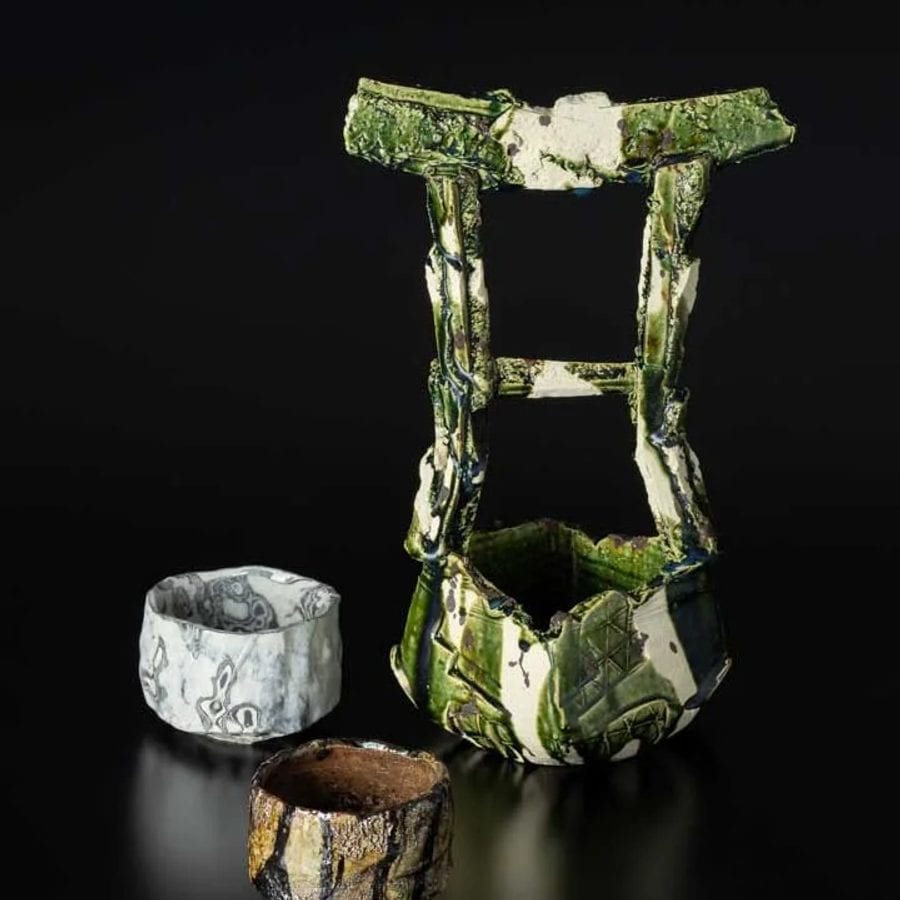
穂高隆児: profile and works on our Japanese site (in Japanese)
Ryuji Hodaka works from Kasama, Ibaraki. Born in Yokohama in 1976, he finished high school in 1995 and began training as a chef of Japanese cuisine. In 1999 he joined a Japanese restaurant in Tokyo.
In 2002 he moved to Spain as private chef to the Japanese Ambassador, a post in which he cooked for the Crown Prince of Japan and for the former Prime Minister Yoshirō Mori. He returned to Japan in 2004 as deputy head chef of the restaurant he had left, and in 2008 he was made head chef of one of its branches.
In 2011 he left cooking for ceramics and entered the Ibaraki Prefectural Ceramic Art Institute in Kasama. He completed its practical course in 2013 and, in the same year, established himself independently in Kasama and built his own kiln.
Kazumi Mita(三田和実)
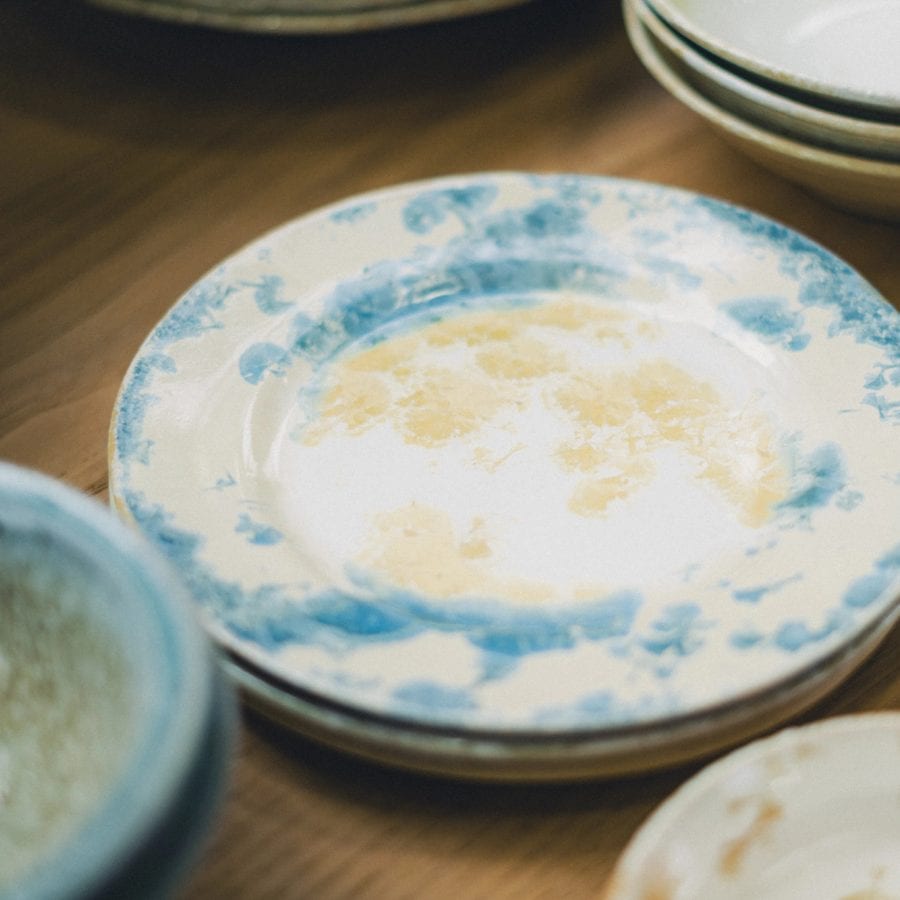
三田和実: profile and works on our Japanese site (in Japanese)
Kazumi Mita works in Mashiko. He was born in Tokyo in 1960, graduated from the Faculty of Art and Design at Musashino Art University, and then traveled through several dozen countries before settling in Mashiko in 1992 to begin his life as a potter.
He sets out his aim in a single sentence.
"From traditional pottery to contemporary work, from the practical to the not practical at all, I would like to work broadly rather than hold to any one thing, making pottery that brings a little richness into daily life and is full of a sense of play."
Kazumi Mita
Hinata Miyuki(美幸ひなた)
美幸ひなた: profile and works on our Japanese site (in Japanese)
Hinata Miyuki works in Yokohama, Kanagawa. She was born in Machida, Tokyo, in 1972.
Her work was selected for the Asahi Ceramic Art Exhibition in 1999, a year before she completed the advanced course at Seto Ceramics High School in Aichi in 2000. In 2001 she began studying under the ceramic artist Mitsunori Demachi, and she held her first solo exhibition in 2003. She has worked in Yokohama since.
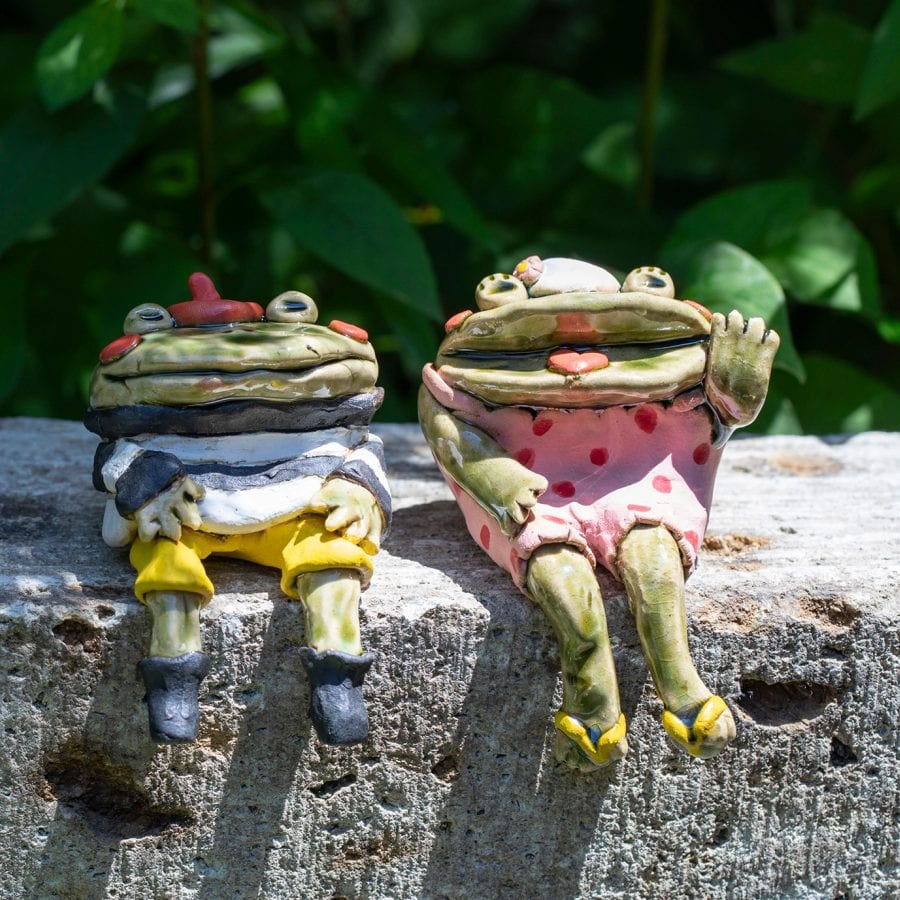
What she makes are small creatures. In her own account she is less their maker than their assistant.
"I thought it would be fun to have little ones in everyday life who make you chuckle, so day by day I help them multiply."
Hinata Miyuki
Shuichi Motosu(本巣秀一)
本巣秀一: profile and works on our Japanese site (in Japanese)
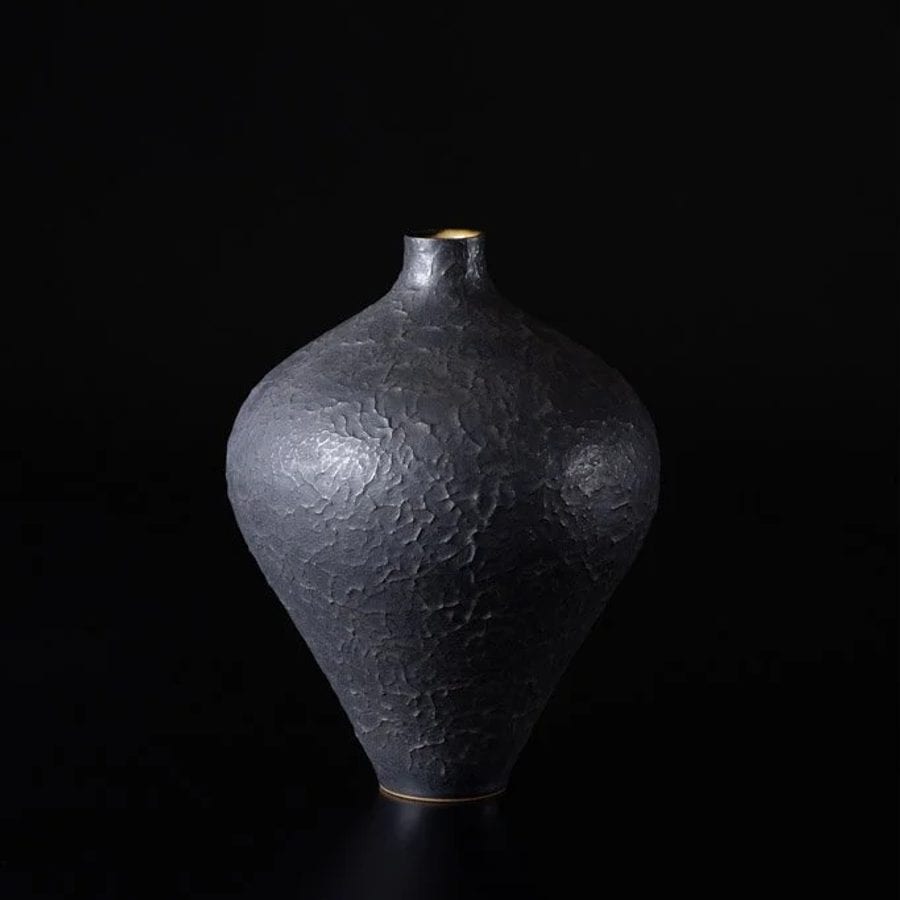
Shuichi Motosu works in Shimotsuke, Tochigi. Born in Utsunomiya in 1980, he entered Bunsei University of Art in 1999.
In 2002, still an undergraduate at twenty-two, he was selected for the Japan Traditional Art Crafts Exhibition, the most established juried crafts exhibition in the country, and in the same year for the Mashiko Ceramics Exhibition. Further selections followed: the Traditional Art Crafts New Works Exhibition in 2003, the Mashiko Ceramics Exhibition again in 2004, and the Traditional Art Crafts New Works Exhibition once more in 2005.
He completed his master’s degree at Bunsei University of Art in 2005 and joined a Mashiko ware pottery that year, where he worked for the next ten years. In 2015 he built his own kiln in Shimotsuke and set up independently. He lives and works outside Mashiko now, but the clay has not changed.
"I use Mashiko clay in my work. I like its gentle feel and its color, and I have kept using it ever since I began working at a pottery in Mashiko. I keep my vessels as simple as I can, so that they sit easily within the many different ways people live today."
Shuichi Motosu
Fumiya Mukoyama(向山文也)
向山文也: profile and works on our Japanese site (in Japanese)
Fumiya Mukoyama works in Nasukarasuyama, Tochigi. Born in Tokyo in 1960, he graduated from the Faculty of Law at Nihon University in 1983 and then turned to clay: in 1984 he graduated from the Kyoto Prefectural Ceramics Training School and entered the studio of Shinbei Itakura XV, a master of Hagi ware. In 1985 he worked at a Zeze ware kiln in Shiga. He established his own workshop, M’s Place, in Mashiko in 1990, and moved it to Karasuyama, now Nasukarasuyama, in 1993.
He came to ceramics by inheritance of a kind. His father’s work brought him close to craft early, and there was a Zeze ware kiln in his extended family.
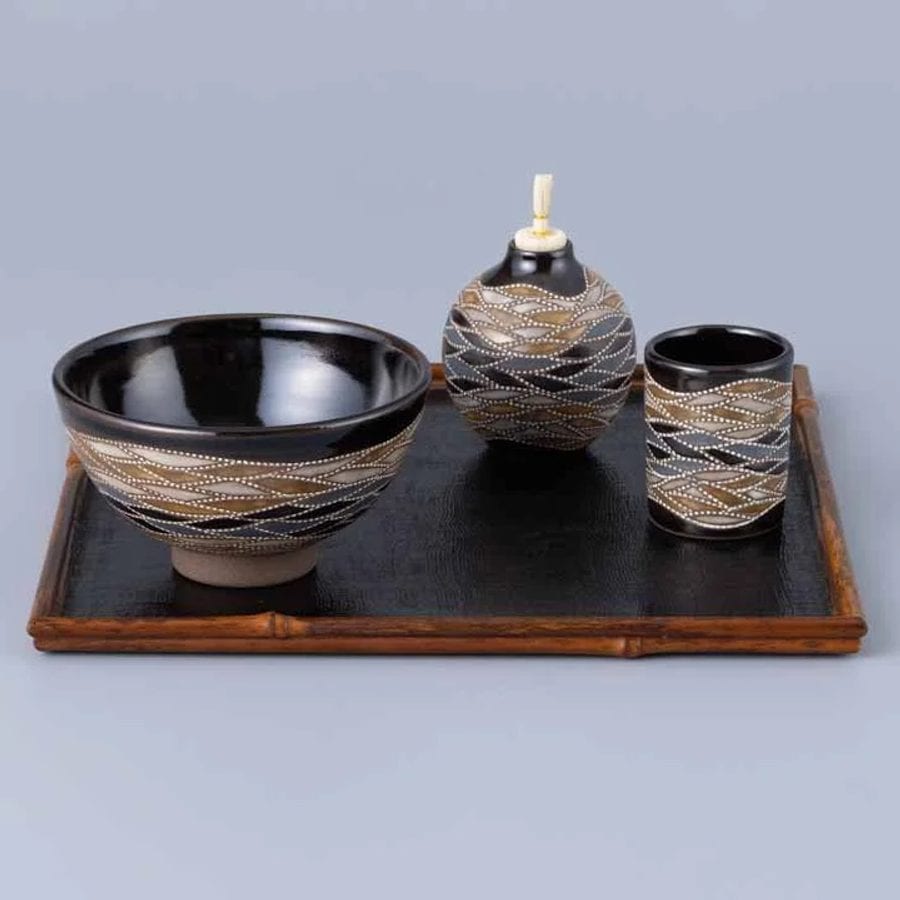
Because the kiln where he trained was a tea ceramics kiln, he also makes tea caddies, tea bowls and water jars for the tea ceremony.
"I encountered the work of pattern, and I moved to Mashiko in order to master it. For the continuous dot patterns, which are one of my decorative methods, I use a dressmaker’s tracing wheel. I use all kinds of tools and enjoy myself freely as I think up new designs."
Fumiya Mukoyama
Keiji Yaguchi(矢口桂司)
矢口桂司: profile and works on our Japanese site (in Japanese)
Keiji Yaguchi works in Ichikai, Tochigi. He was born in Utsunomiya in 1974.
He trained at the Tochigi Prefectural Ceramics Institute, completing its apprentice course in 2002 and its research course in 2003. In 2003 he also began studying under the potter Jinnai Sakata. He set up on his own in Ichikai in 2006 and has worked there since.
He thinks about a vessel across the whole life of a meal, not only the part where it is eaten from.
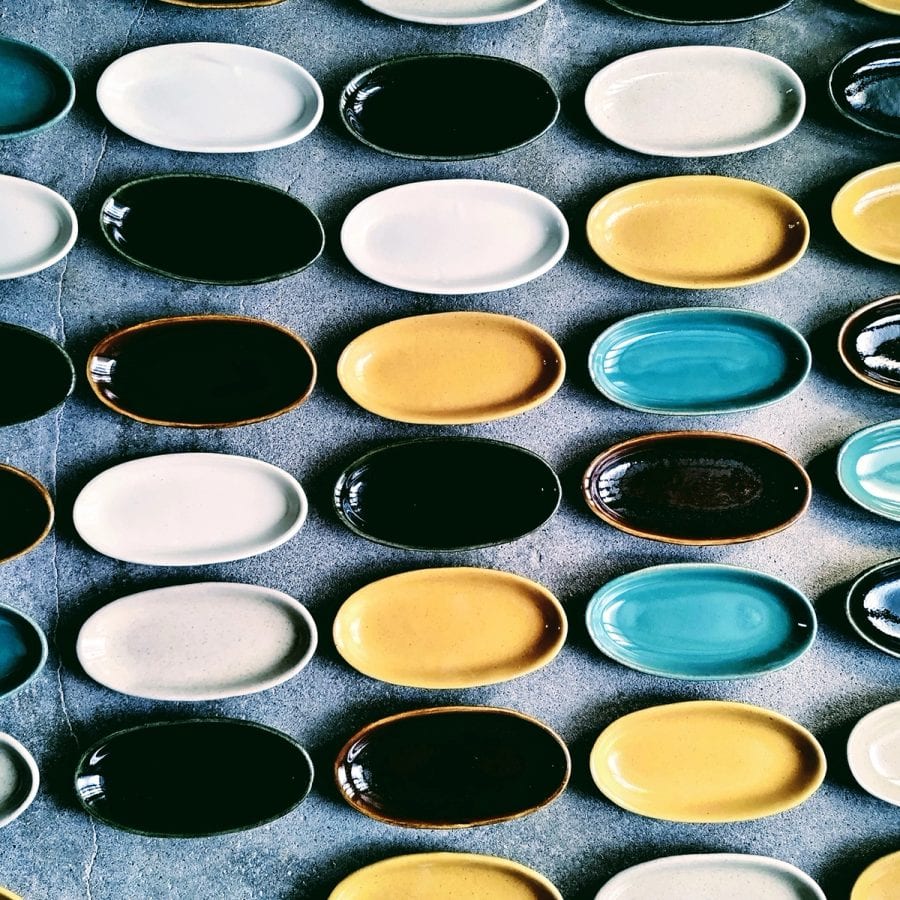
"I make with an eye to how easy a dish is to serve from, to wash and to put away, not only to how easy it is to eat from. I want to make vessels that are like Mashiko ware and, at the same time, not like Mashiko ware."
Keiji Yaguchi
Euan Craig(ユアン・クレイグ)
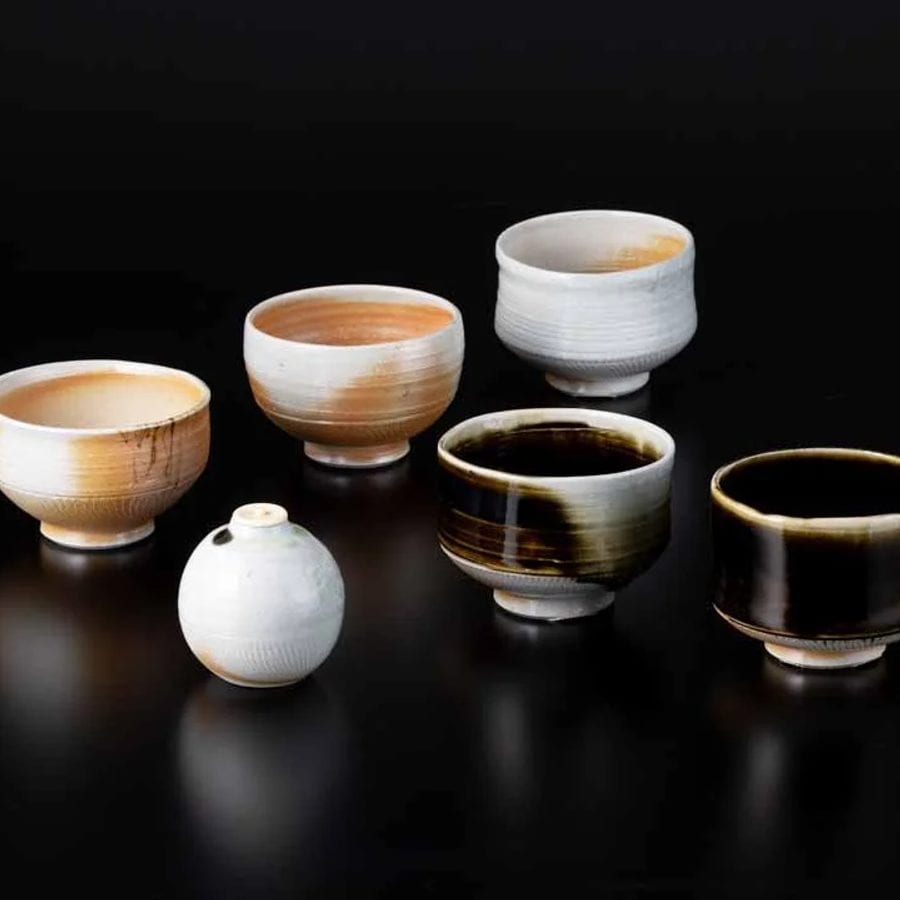
ユアンクレイグ: profile and works on our Japanese site (in Japanese)
Euan Craig works in Minakami, Gunma. He was born in Melbourne, Australia, in 1964 and first encountered ceramics in 1978, at fourteen.
In 1981 he entered Bendigo T.A.F.E. College to study art and design, graduating the same year. In 1982 he entered Bendigo College of Advanced Education, now La Trobe University, to study ceramics. He won the Kamel Kilns Ceramics Award in 1984, graduated in 1985, and set up his own kiln that year in Swan Hill, Australia.
He came to Japan in 1990. In 1991 he was accepted as a student of Tatsuzō Shimaoka (1919–2007), who had trained under Shōji Hamada and was designated a Living National Treasure in 1996, the second potter from Mashiko to be so recognized.
Craig built his own kiln in Mashiko in 1994. In 2000 he moved to Ichikai, Tochigi, and built a kiln there. In 2011 he moved again, to Minakami in Gunma, where he built a wood-fired kiln in 2012 and works today.