 Since 1974
 Guide
Mashiko Pottery Festival: The Complete Guide (2026)
Last updated: August 2026. We update this guide before each festival season.
Every spring and autumn, the quiet pottery town of Mashiko transforms into one of Japan's largest open-air ceramics markets. More than 50 established shops and over 700 outdoor tents line the streets, drawing around 600,000 visitors each year. For anyone interested in Japanese pottery, whether you're a serious collector, a casual admirer, or simply looking for a unique day trip from Tokyo, the Mashiko Pottery Festival (益子陶器市) is an experience unlike anything else in Japan.
As a gallery that has been at the heart of Mashiko's pottery scene for over 50 years, Toko has witnessed every era of this festival. This guide shares what we know from decades of experience to help you plan your visit.
Festival Dates and Schedule
| Festival | Dates | Duration |
|---|---|---|
| Spring 2026 (113th) | Wednesday, April 29 – Wednesday, May 6, 2026 | 8 days (Golden Week) |
| Autumn 2026 (114th) | Saturday, October 31 – Tuesday, November 3, 2026 | 4 days (around Culture Day) |
Spring 2026 (113th Mashiko Pottery Fair)
Dates: Wednesday, April 29 – Wednesday, May 6, 2026
Duration: 8 days (coincides with Japan's Golden Week holiday)
Autumn 2026 (114th Mashiko Pottery Fair)
Dates: Saturday, October 31 – Tuesday, November 3, 2026
Duration: 4 days (centered around Culture Day)
Daily Hours
Most tent vendors open around 9:00 AM and close by 5:00 PM (last day closes at 4:00 PM). Established shops like Toko maintain their regular hours throughout the festival period. Some vendors may start packing up earlier on the final day.
When to Go
The first and last days tend to be the busiest. If you want the best selection, especially from popular young artists, arrive on the opening morning. Pieces from well-known potters can sell out within hours.
For a more relaxed experience, visit on a weekday during the middle of the festival week. You'll have more room to browse, and conversations with artists feel less rushed.
Weather note: Spring festivals enjoy mild temperatures (15–22°C), ideal for walking. The autumn festival coincides with beautiful fall foliage but can be cooler, so bring layers.
What to Expect
- 50+
- Permanent shops
- 700+
- Outdoor tents
- ≈600,000
- Visitors a year
- 1966
- First festival
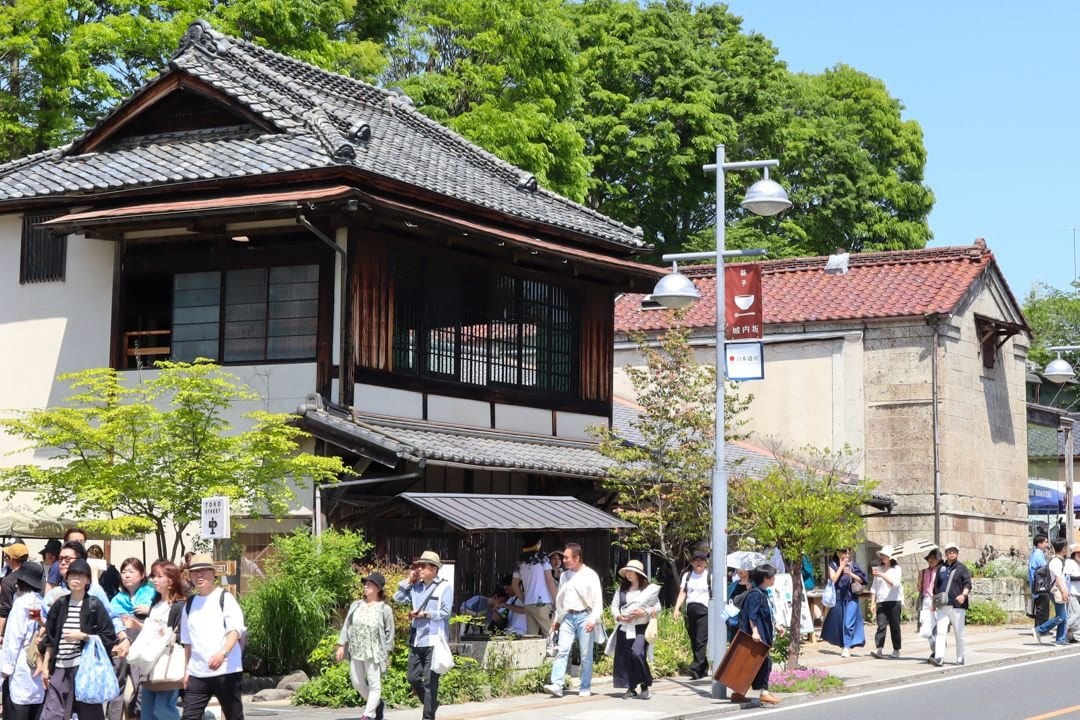
The Mashiko Pottery Festival is not a single venue; it unfolds across the entire town. The main activity centers on Jonaizaka (城内坂), the sloped main street running through the pottery district. Tents and stalls extend along this road and branch into side streets, parks, and the Sayado district on the eastern side of town.
The Scale
- 50+ permanent shops open their doors with special festival displays
- 700+ outdoor tents set up along the streets and in designated areas
- Artists come not only from Mashiko but from pottery communities across Japan
What You'll Find
The range of work available is enormous. You'll encounter:
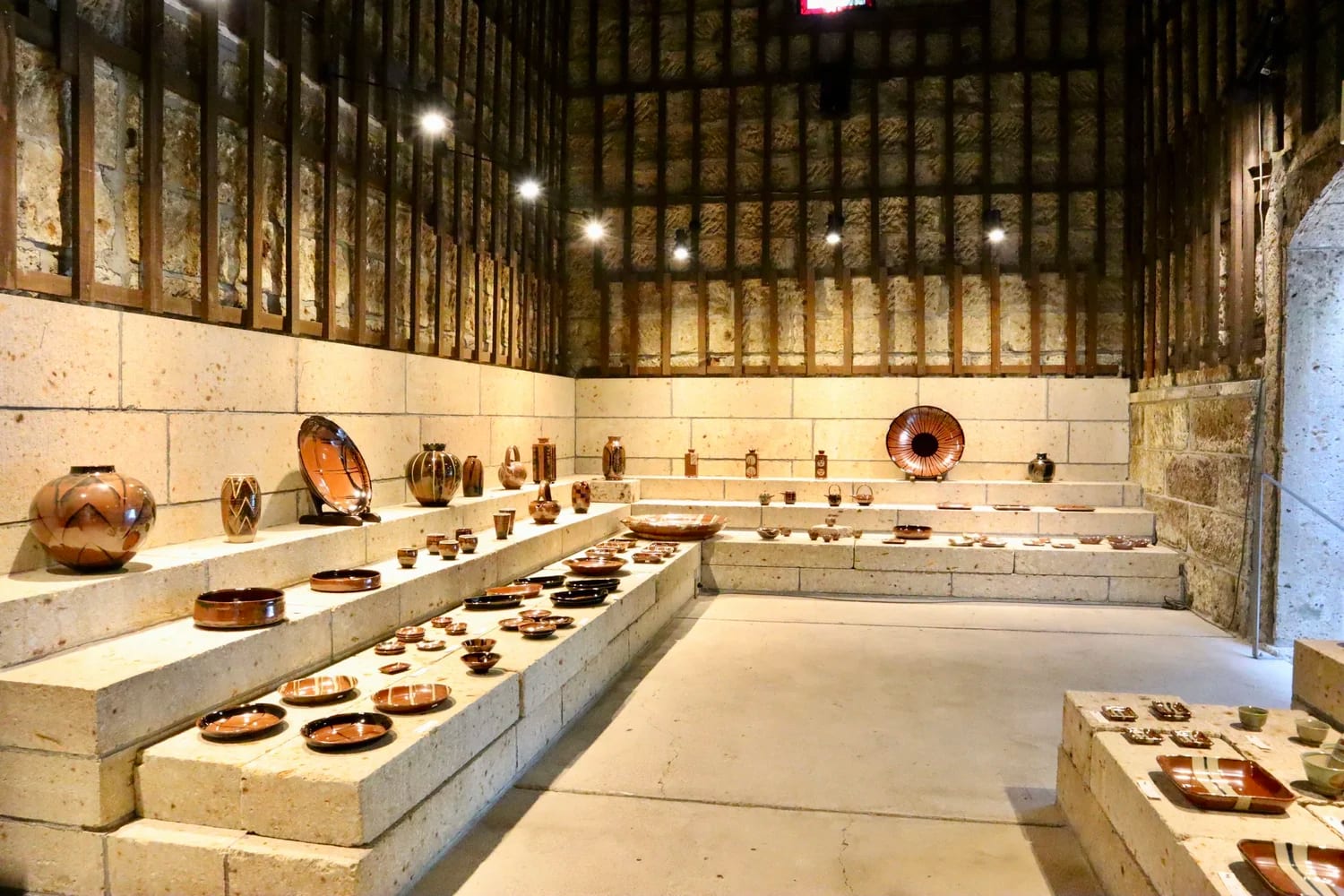
- Traditional Mashiko ware: the earthy, rustic pottery that made this town famous, often featuring signature glazes like kaki (persimmon), nuka (rice husk ash), and tetsu (iron)
- Contemporary ceramics: younger artists pushing boundaries with modern forms, experimental glazes, and minimalist aesthetics
- Everyday tableware: plates, bowls, cups, and teapots at accessible prices, perfect for daily use
- Art pieces and one-of-a-kind works: larger sculptural works and exhibition-quality pieces from established artists
- Non-pottery crafts: woodwork, glassware, textiles, and leather goods from artisans in the region
-

Traditional glazes: persimmon, white and black -

An outdoor display at Toko Gallery during the fair -
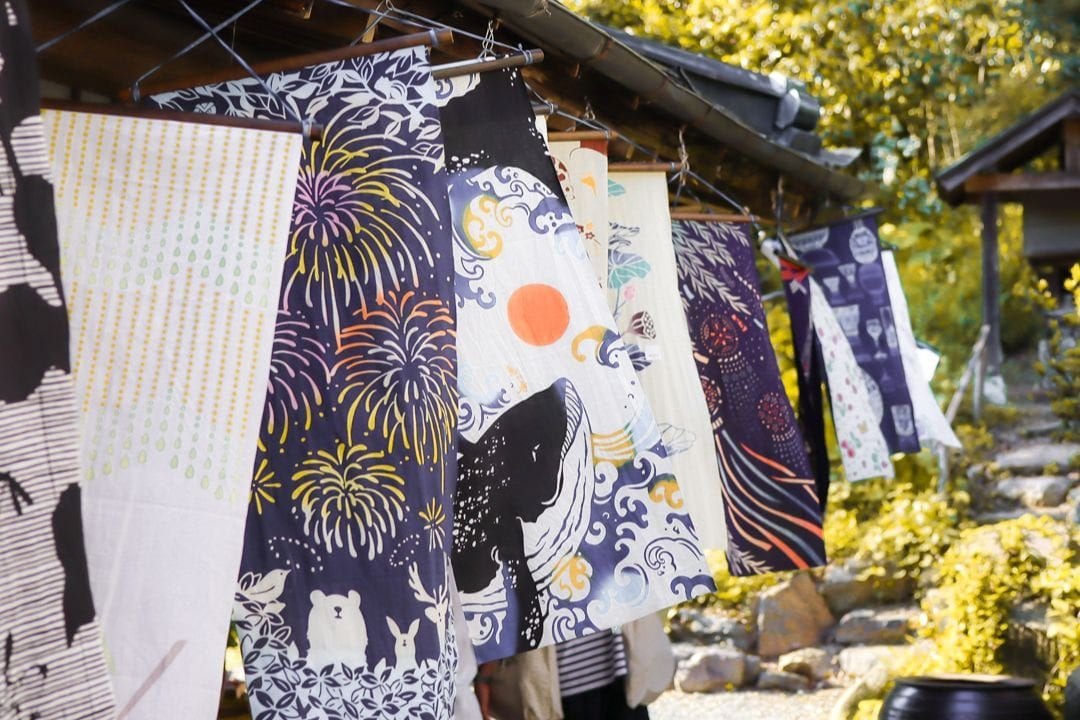
Non-pottery crafts: the Engawa market at Toko
How to Read a Mashiko Glaze
Walking hundreds of tents becomes a different experience once you can name what you are looking at. Four glazes account for most of what you will see.
Kaki, the persimmon glaze, is the one most people picture when they think of Mashiko. Its deep red-brown comes from ashinuma stone, quarried in the north of the town and ground down for the glaze. The colour shifts with the thickness of the coat and the position of the piece in the kiln, so no two are quite alike.
Nuka-jiro is made from rice husk ash. It fires to a soft, slightly opaque white that pools in the hollows of a bowl and thins at the rim, where the clay beneath shows through as a warm line.
Tetsu, the iron glaze, gives a dense black or a very dark brown depending on how thickly it is laid on. It is often used for the outside of a pot with nuka-jiro inside, a pairing that has been made in Mashiko for generations.
Namijiro is the plainest of the four, a translucent glaze that lets the character of the clay body come through rather than covering it.
Once you start reading glazes, you also start seeing how individual potters bend them. That is where the pleasure of the festival lies.
Getting There from Tokyo
Mashiko is located in Tochigi Prefecture, roughly 2–2.5 hours from central Tokyo. There are several ways to get there, each with different trade-offs between speed, cost, and convenience.
Option 1: Shinkansen + Bus (Fastest)
- Take the Tohoku Shinkansen from Tokyo Station or Ueno Station to Utsunomiya Station (~50 minutes, ¥4,490 unreserved)
- From Utsunomiya Station's west exit, take the Kanto Bus to Mashiko (~70 minutes, ¥1,350)
- Get off at Jonaizaka (城内坂), the heart of the pottery district
Total time: ~2 hours | Total cost: ~¥5,840 one way
Festival note: During Golden Week, buses from Utsunomiya can be crowded. Arrive at the bus stop early or consider a reserved seat. Extra bus services may run during the festival; check the Mashiko Tourist Association website for updated schedules.
Option 2: Local Train Route (Most Affordable)
- Take the JR Utsunomiya Line from Tokyo/Ueno to Oyama Station (~80 minutes)
- Transfer to the JR Mito Line to Shimodate Station (~25 minutes)
- Transfer to the Moka Railway to Mashiko Station (~40 minutes)
Total time: ~3 hours | Total cost: ~¥2,400 one way
Bonus: The Moka Railway runs a steam locomotive (SL) on weekends, a memorable way to arrive in Mashiko, especially with children.
Option 3: By Car (Most Flexible)
From central Tokyo, take the Tohoku Expressway to the Moka IC exit, then follow Route 294 to Mashiko (~2 hours depending on traffic).
Parking: During the festival, temporary parking lots open throughout the town. Follow the signs. Expect to pay ¥500–¥1,000 for parking. Arrive before 10:00 AM to secure a spot close to the main area. Golden Week traffic on the expressway can be severe, so consider leaving Tokyo very early or staying overnight.
Getting Around Mashiko
The festival area is walkable, but spread out. The distance from Mashiko Station to the main pottery district is about a 20-minute walk. Bicycle rental (available at the station and several locations in town, ~¥800/day) is an excellent option if you want to explore beyond the main street.
For a detailed walking itinerary that works well as a festival day plan, see our Mashiko Day Trip from Tokyo guide.
| Option | Time | Cost | Notes |
|---|---|---|---|
| Shinkansen + bus | ≈2 hours | ≈¥5,840 (¥4,490 + ¥1,350) | Fastest. Get off at Jonaizaka. Buses can be crowded during Golden Week. |
| Local train (JR → Moka Railway) | ≈3 hours | ≈¥2,400 | Most affordable. Steam locomotive on weekends. |
| By car | ≈2 hours depending on traffic | Parking ¥500–¥1,000 | Most flexible. Arrive before 10:00 AM for nearby parking. |
Option 1: Shinkansen + bus
- Tokyo / Ueno → Tohoku Shinkansen, ≈50 min
- Utsunomiya west exit → Kanto Bus, ≈70 min
- Jonaizaka heart of the pottery district
Option 2: Local train
- Tokyo / Ueno → JR Utsunomiya Line, ≈80 min
- Oyama transfer → JR Mito Line, ≈25 min
- Shimodate transfer → Moka Railway, ≈40 min
- Mashiko Station
Where to Shop: Our Recommendations
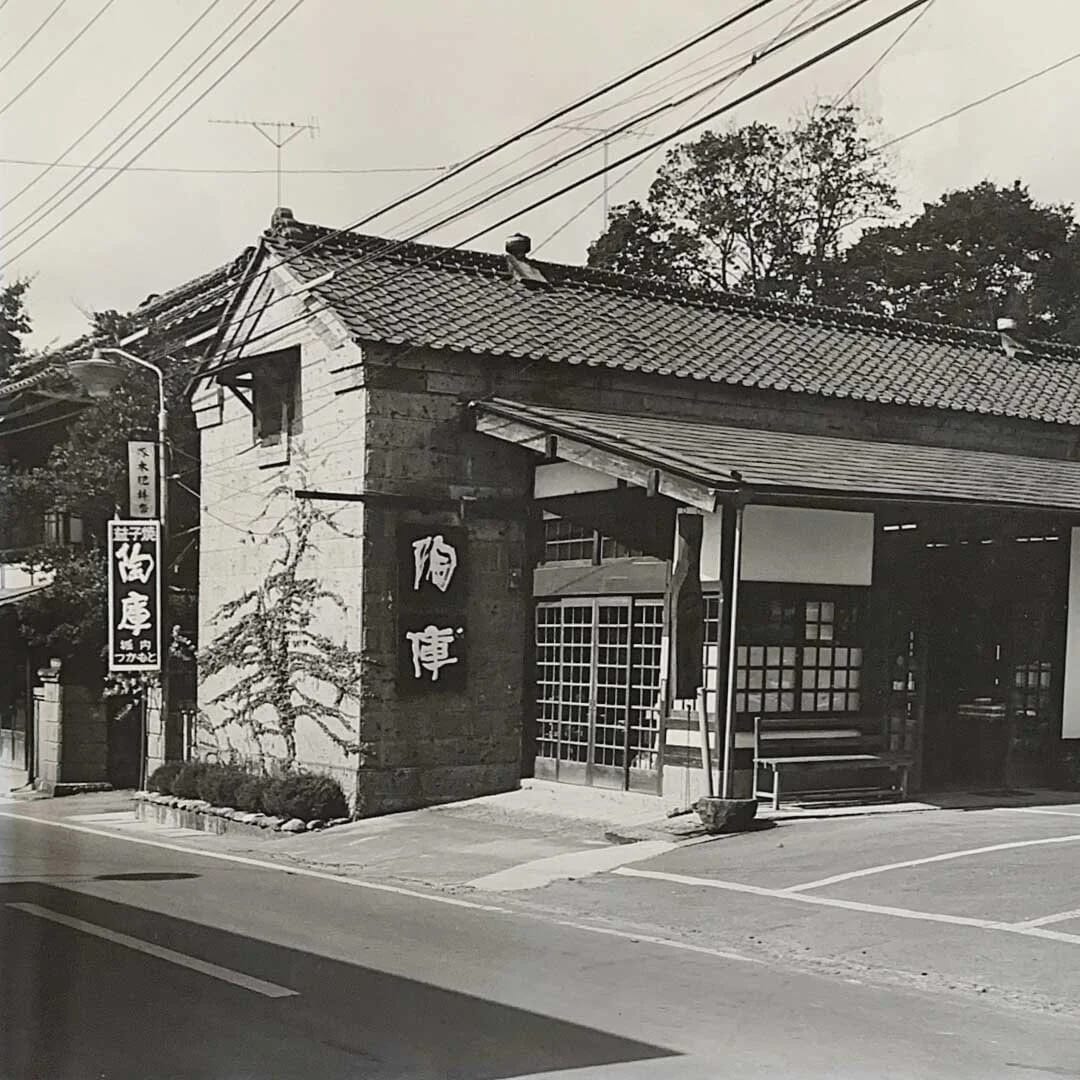
Toko Gallery (陶庫)
We welcome visitors year-round, but the pottery festival is a particularly special time. Toko runs its own exhibitions through both festivals, usually two at once across our gallery spaces. Current and upcoming shows are listed on our exhibitions page.
Our gallery occupies a renovated Taisho-era commercial building, one of the oldest standing structures in the pottery district, and provides a quiet, contemplative space to appreciate ceramics away from the bustle of the outdoor market.
Our team can help you understand the work of individual artists, explain techniques and glazes, and assist with domestic and international shipping. Whether you're adding to a collection or choosing your first piece of Mashiko ware, we're happy to help.
Visit our gallery page for hours, directions, and current exhibition details.
Along Jonaizaka (城内坂通り)
The main festival street is the easiest place to start. Walk slowly; every tent tells a different story. Don't hesitate to ask artists about their work. Most potters are genuinely happy to explain their process, even with limited English. A few phrases in Japanese go a long way (try "Kore wa dou yatte tsukurun desu ka?", meaning "How did you make this?").
The Sayado District (道祖土)
The festival has two centres, and Jonaizaka is only one of them. The Sayado district, on the eastern side of town, is the other. Tents cluster here around Ceramic Art Messe Mashiko and the Hamada Sankokan Museum, and the atmosphere is noticeably calmer than on the main street. It is a twenty-minute walk from Jonaizaka, or a short ride by bicycle. Sayado is also where Toko's own kiln, Sayado Wadagama, takes its name from.
Beyond the Main Street
Some of the most interesting discoveries happen off Jonaizaka. Individual pottery studios and workshops scattered throughout the town may offer open-studio events or kiln-side sales during the festival. Ask at the Tourist Information Center near Mashiko Station for a festival map.
Tips for First-Time Visitors
What to Bring
- Cash: While some shops accept credit cards, most tent vendors are cash-only. ATMs exist but can have long lines during the festival. Bring more cash than you think you'll need.
- A sturdy bag or backpack: You'll want your hands free for browsing, and pottery is heavier than it looks.
- Bubble wrap or newspaper: Some vendors provide wrapping, but having your own ensures fragile pieces survive the trip home.
- Comfortable walking shoes: You'll cover several kilometers on pavement and uneven ground.
- Sun protection (spring) or layers (autumn): The festival is entirely outdoors.
Shipping Options
If you fall in love with something too large or heavy to carry, many vendors offer domestic shipping (takkyubin). Established shops like Toko can arrange international shipping as well. Don't let the logistics stop you from buying the piece you really want.
Shopping Strategy
Do one full walk-through first. Resist the urge to buy everything at the first tent. Walk the entire festival area to get a sense of what's available, then go back for the pieces that stayed in your mind.
But don't wait too long for popular artists. If you see a piece from a well-known potter and it speaks to you, it may not be there when you return.
Talk to the artists. This is the festival's greatest advantage over any retail experience. Understanding the story behind a piece (the clay, the glaze, the firing method) transforms a purchase into a meaningful connection.
Look beyond "perfect." Mashiko ware embraces the beauty of natural variation. A slight asymmetry, an unexpected glaze drip, or a rough texture is often a feature, not a flaw. This is part of the wabi-sabi aesthetic that defines the tradition.
Language
Most vendors speak limited English, but the shopping experience is visual and intuitive. Prices are typically displayed on tags. Pointing, smiling, and basic Japanese phrases will carry you through.
At Toko, our staff can assist in English. We're happy to serve as a starting point for international visitors navigating the festival for the first time.
Beyond Pottery: Food and Attractions
The festival isn't just about ceramics. The food alone is worth the trip.
Festival Food
Street food stalls line the festival route. Look for:
- Takoyaki and okonomiyaki: the classic Japanese festival foods
- Local vegetables and produce: Mashiko is an agricultural town, and local farmers set up alongside the potters
- Handmade soba, buckwheat noodles often served with local mountain vegetables
- Craft beer and sake: local beverages pair perfectly with a day of browsing
-

TOKO STREET: curry -
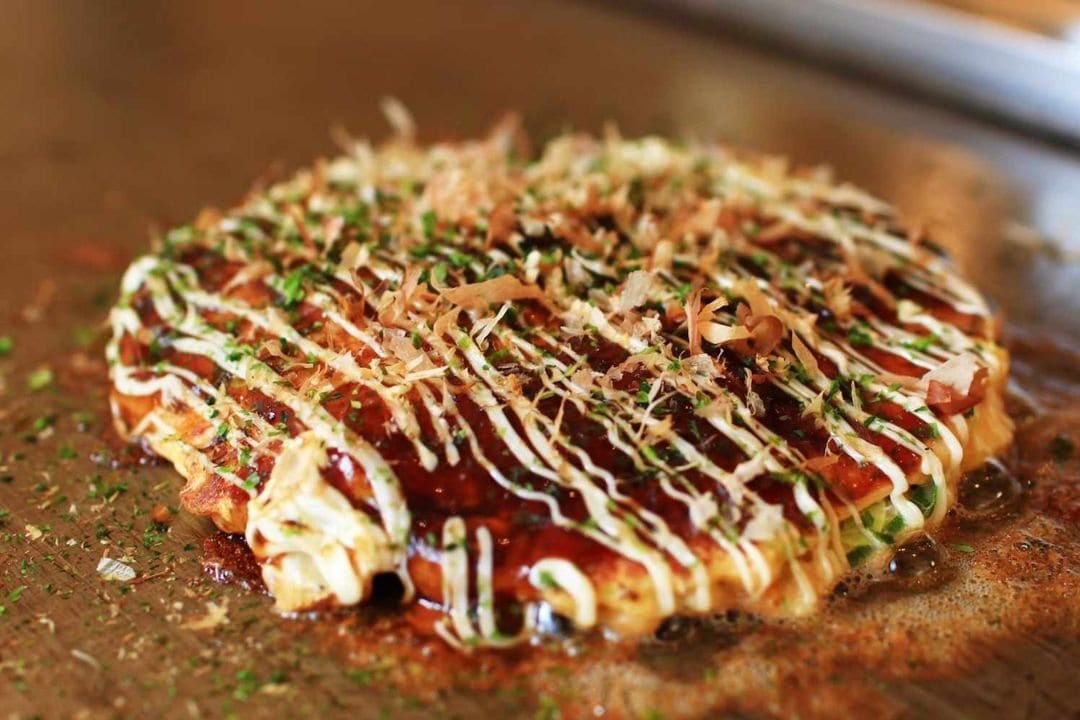
TOKO STREET: okonomiyaki -

TOKO STREET: dorayaki
Michi-no-Eki Mashiko
The town's roadside station sits about ten minutes by car from the festival area and stays open throughout. It carries local produce, baked goods and Mashiko ware, and its café looks out over the hills. It makes a good last stop before driving home, and the car park is usually easier than anything closer to Jonaizaka.
Mashiko Sankokan Museum (益子参考館)
The former home and workshop of Shoji Hamada, the Living National Treasure who put Mashiko on the world pottery map. The museum complex includes traditional thatched-roof buildings, Hamada's climbing kiln, and galleries displaying his work alongside his personal collection of ceramics, textiles, and furniture from around the world.
Admission: ¥1,100 adults, ¥550 junior and senior high school students, free for elementary school children and younger
Hours: Closed on Mondays. Check the museum's website for current opening hours before visiting.
Ceramic Art Messe Mashiko (陶芸メッセ益子)
A museum complex that includes the Mashiko Museum of Ceramic Art, relocated buildings from Hamada's original compound, and exhibition spaces for both Mashiko ware and international ceramics.
Saimyoji Temple (西明寺)
If you have time and want to escape the crowds, this temple on the slopes of Mt. Takadate dates back to the 8th century. The three-story pagoda and main hall are designated Important Cultural Properties. In autumn, the surrounding forest turns spectacular shades of red and gold.
Where to Stay
Most visitors come for the day and return to Tokyo. However, if you want to experience the festival at a more leisurely pace, or avoid Golden Week traffic, staying overnight is a good option.
In Mashiko
- Mashikokan Satoyama Resort: The town's main hotel, offering hot spring baths, bicycle rental, and meals featuring local ingredients.
- Guesthouses and minshuku: Several small, affordable options throughout the town. Popular with visiting artists and repeat festival-goers.
- Airbnb and vacation rentals: A growing selection of private accommodations.
Nearby
- Utsunomiya: Tochigi's capital city is about an hour away by bus. Known as Japan's "gyoza capital," it offers more hotel options and excellent dumplings.
- Nikko: The UNESCO World Heritage shrine complex is about 1.5 hours from Mashiko by car. Combining the pottery festival with a visit to Nikko makes for an excellent multi-day trip.
A Brief History of the Mashiko Pottery Festival
The story of the pottery festival is inseparable from the story of Mashiko itself.
Mashiko has been producing pottery since the mid-19th century, when local potters discovered that the area's clay and red pine wood created ideal conditions for firing utilitarian wares. For decades, Mashiko was known simply as a source of sturdy, everyday pottery.
That changed in 1924, when Shoji Hamada, already an accomplished potter who had worked at Bernard Leach's pottery in St Ives, England, chose Mashiko as the site for his permanent studio. Hamada was drawn to the honest, unpretentious character of Mashiko's folk pottery. His presence, and his later designation as a Living National Treasure in 1955, brought international attention to the town.
The first Mashiko Pottery Festival was held in 1966, growing out of a desire to connect the town's potters directly with the public. What began as a modest local market has evolved into one of Japan's premier ceramics events.
Today, Mashiko is home to approximately 250 workshops and 50 pottery shops. The festival remains the most vivid expression of the town's identity: a place where the centuries-old tradition of handmade pottery meets the energy of contemporary craft.
- Mid-19th century Mashiko begins producing sturdy, everyday pottery.
- 1924 Shoji Hamada chooses Mashiko as the site for his permanent studio.
- 1955 Hamada is designated a Living National Treasure.
- 1966 The first Mashiko Pottery Festival is held.
Frequently Asked Questions
Is the Mashiko Pottery Festival free to attend?
Yes. There is no admission fee to walk the festival. Individual museums (such as Mashiko Sankokan) charge separate entrance fees.
Can I ship purchases internationally?
Some established shops, including Toko, offer international shipping. Most tent vendors can arrange domestic shipping only. If you're buying from a tent, consider taking the item to a nearby Yamato Transport (ヤマト運輸) or Sagawa Express office in town to arrange shipping yourself.
Is the festival accessible for wheelchair users or strollers?
The main road (Jonaizaka) is paved and mostly flat, though it can be very crowded during peak hours. Side streets and some tent areas may have uneven ground. Early morning visits are recommended for accessibility.
Do vendors accept credit cards?
Most tent vendors accept cash only. Established shops may accept credit cards. Bring sufficient cash and plan for limited ATM availability during the festival rush.
How much time should I plan?
A thorough visit takes at least 3–4 hours. If you also want to visit museums, a sake brewery, or explore off the main street, plan for a full day.
Is it suitable for children?
Absolutely. Children are welcome, and many tent vendors are friendly and patient. The SL steam train on the Moka Railway is a particular hit with young visitors. Just be mindful that pottery is fragile, so keeping small children close in crowded tent areas is wise.
What if it rains?
The festival runs rain or shine. Bring an umbrella or rain jacket. Established shops and covered areas provide shelter. Some tent vendors have tarps, but a rainy day generally means smaller crowds and a more relaxed pace.
When will the Autumn 2026 dates be announced?
The Autumn 2026 festival is confirmed: October 31 – November 3, 2026. We'll update this page if any changes are announced. Check the Mashiko Tourist Association website for the latest information.
Plan Your Visit
Ready to experience the Mashiko Pottery Festival? Here are some helpful links to get started:
- Visiting Toko Gallery: Hours, directions, and current exhibitions
- Mashiko Day Trip from Tokyo: Complete transportation guide and itinerary
- Meet Our Artists: Learn about the potters whose work you'll find at Toko
- TOKO ONLINE GALLERY: Browse and purchase Mashiko pottery online
This guide is updated annually. Dates, prices, and transportation details are current as of the last update shown at the top of this page. For real-time festival information, contact the Mashiko Tourist Association.