
Gift wrapping
Noshi paper and ribbon available
We offer several seasonal gift-wrapping options in store. Please ask our staff.
 Since 1974

Autumn, in a Vessel.
On the table, in the entrance, by the window.Add one touch of autumn to everyday life.Find your autumn vessel in Mashiko.
TOKO AUTUMN 2026
TOKO AUTUMN 2026
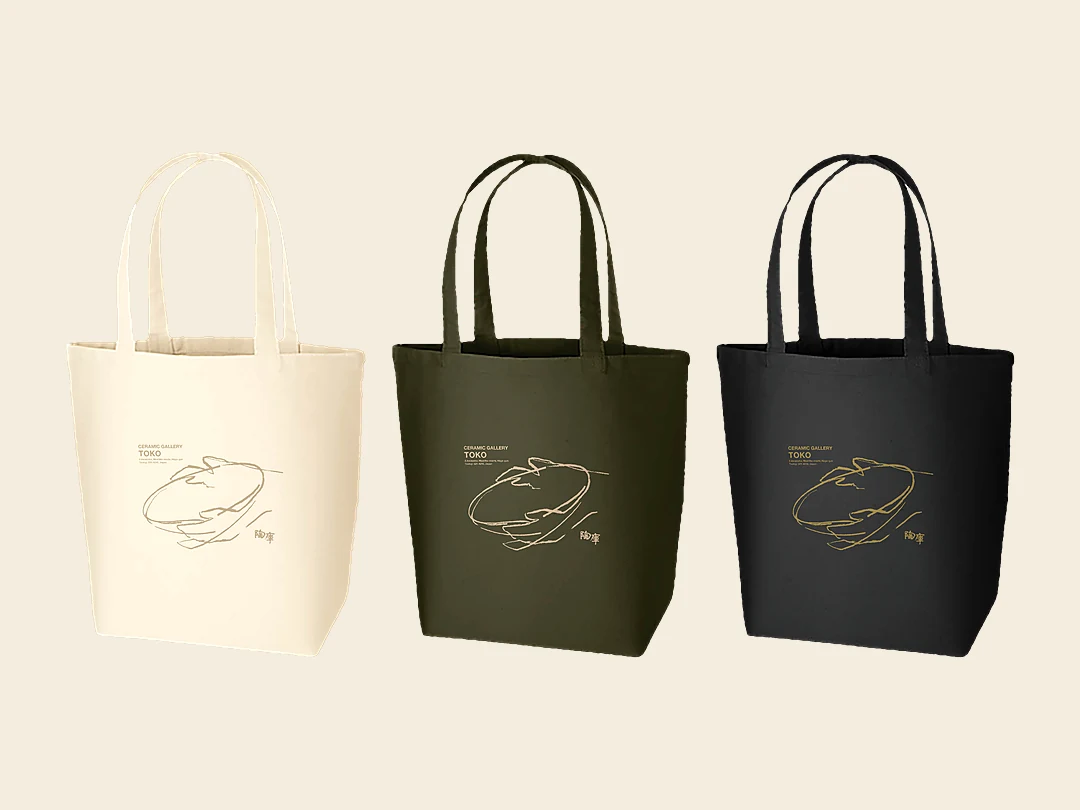
During the festival, customers who spend ¥5,500 or more (tax included) in the Toko shop receive a TOKO BAG, a tote bag made only for the pottery festival. The design, which shows a potter’s wheel, is by Misato Iwamoto, a designer from Mashiko. It comes in three colors: natural, khaki and black. Quantities are limited, and the offer ends when they run out.
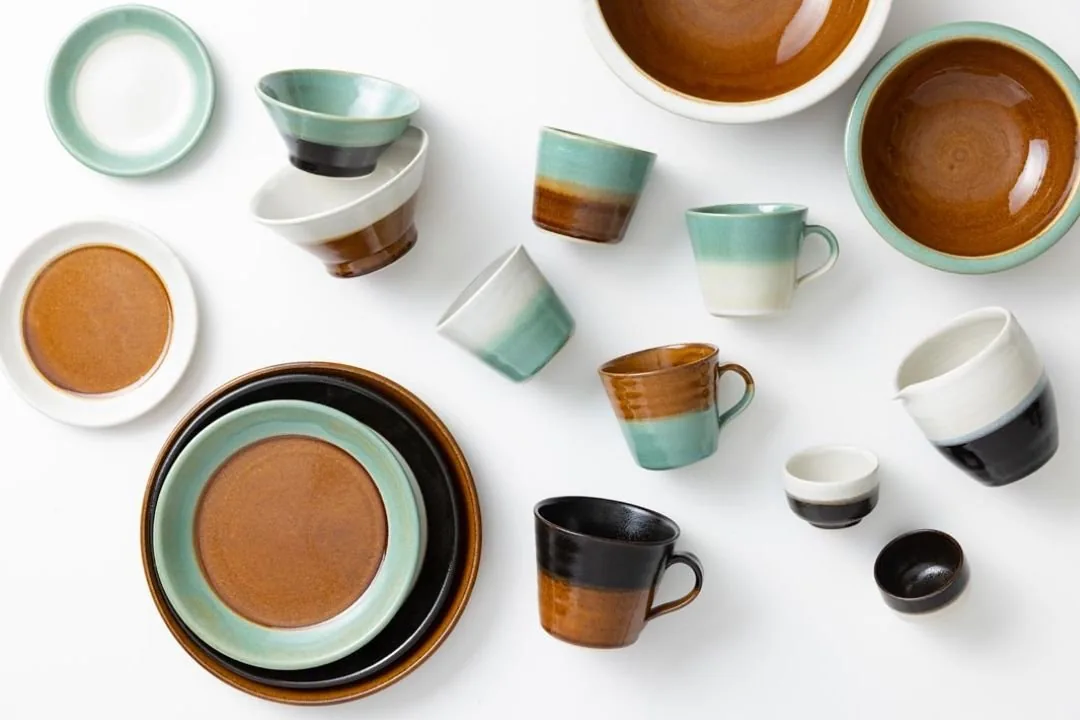
Outlet pieces from Sayado Wadagama are on sale.
Yoshimichi Goda Memorial Room
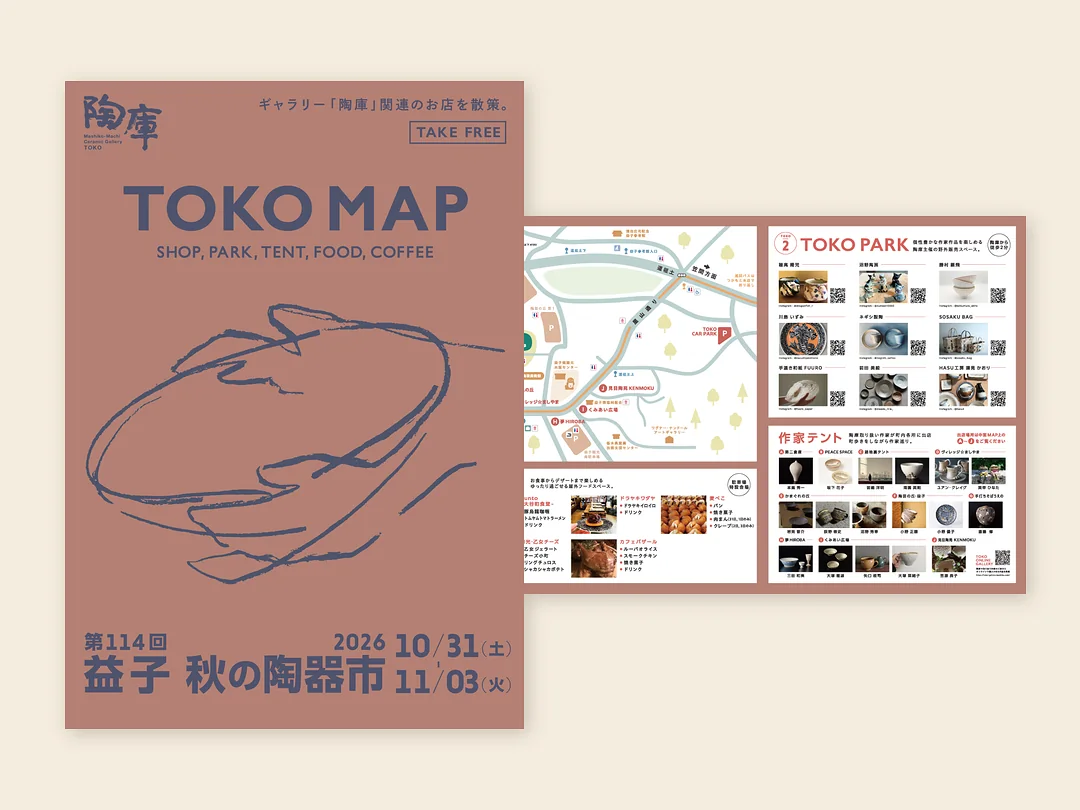
Toko’s own map of the festival, with the artist tents, TOKO PARK, TOKO STREET, parking and public facilities on one simple sheet.
It is handed out free at the festival grounds and at the tents.
A special offer for our members, to mark the pottery festival.
During the period, every member’s stage is automatically raised by one rank.
Regular stage Stage during the period
AKACCO members also become GOLD or above and, in addition to the higher point rate, can use various benefits such as free gift wrapping.
When you shop, the benefits of the rank one above your own apply.
Example: AKACCO → GOLD benefits (4% points back, free gift wrapping, and more)
Noshi paper and ribbon available
We offer several seasonal gift-wrapping options in store. Please ask our staff.
We offer international shipping through our TOKO ONLINE GALLERY in seven currencies. For items purchased in-store, please ask our staff about shipping arrangements.

Cards and QR code payments
We accept Visa, Mastercard, JCB, American Express, Diners Club, and PayPay.
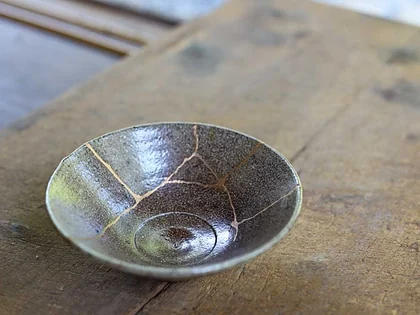
Handled by a professional restorer
Toko offers kintsugi repair for broken ceramics and periodically hosts POP Kintsugi Workshops for members of TOKO CLUB, our free membership program.
Area Map
EXHIBITIONS
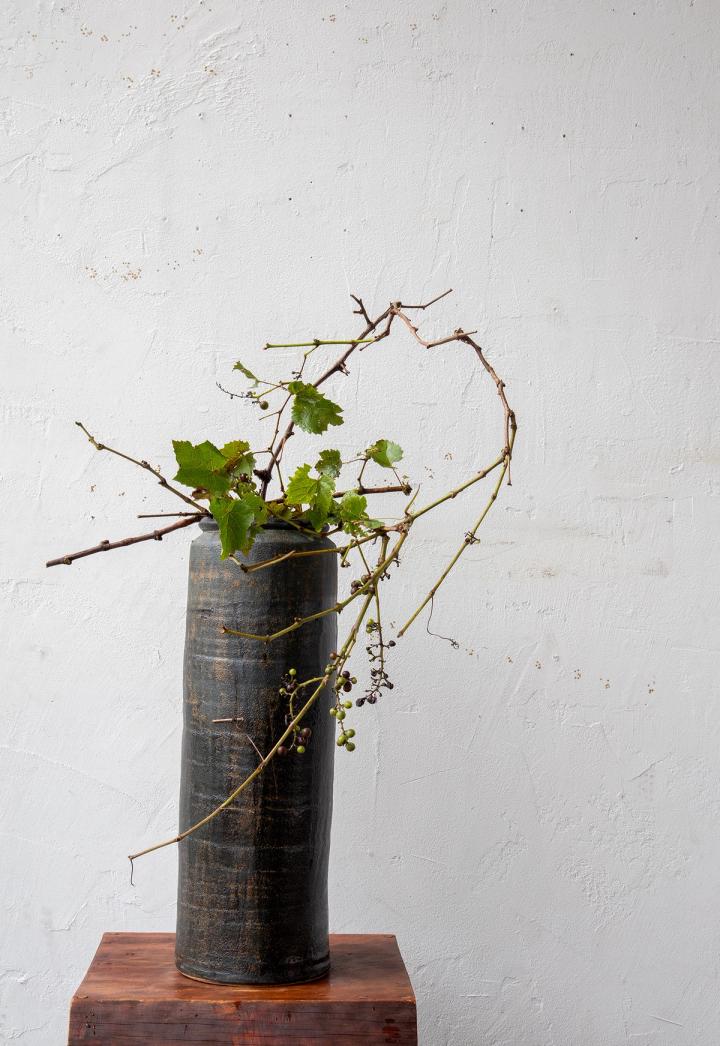
Oya Stone Warehouse Gallery
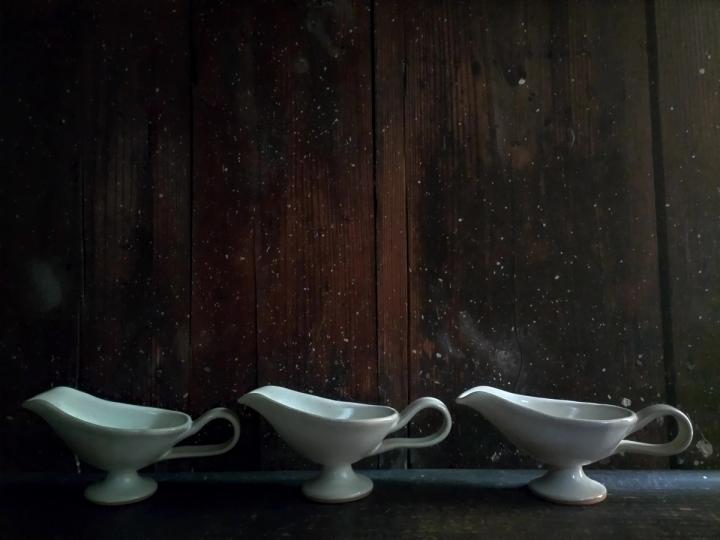
Japanese-Room Gallery
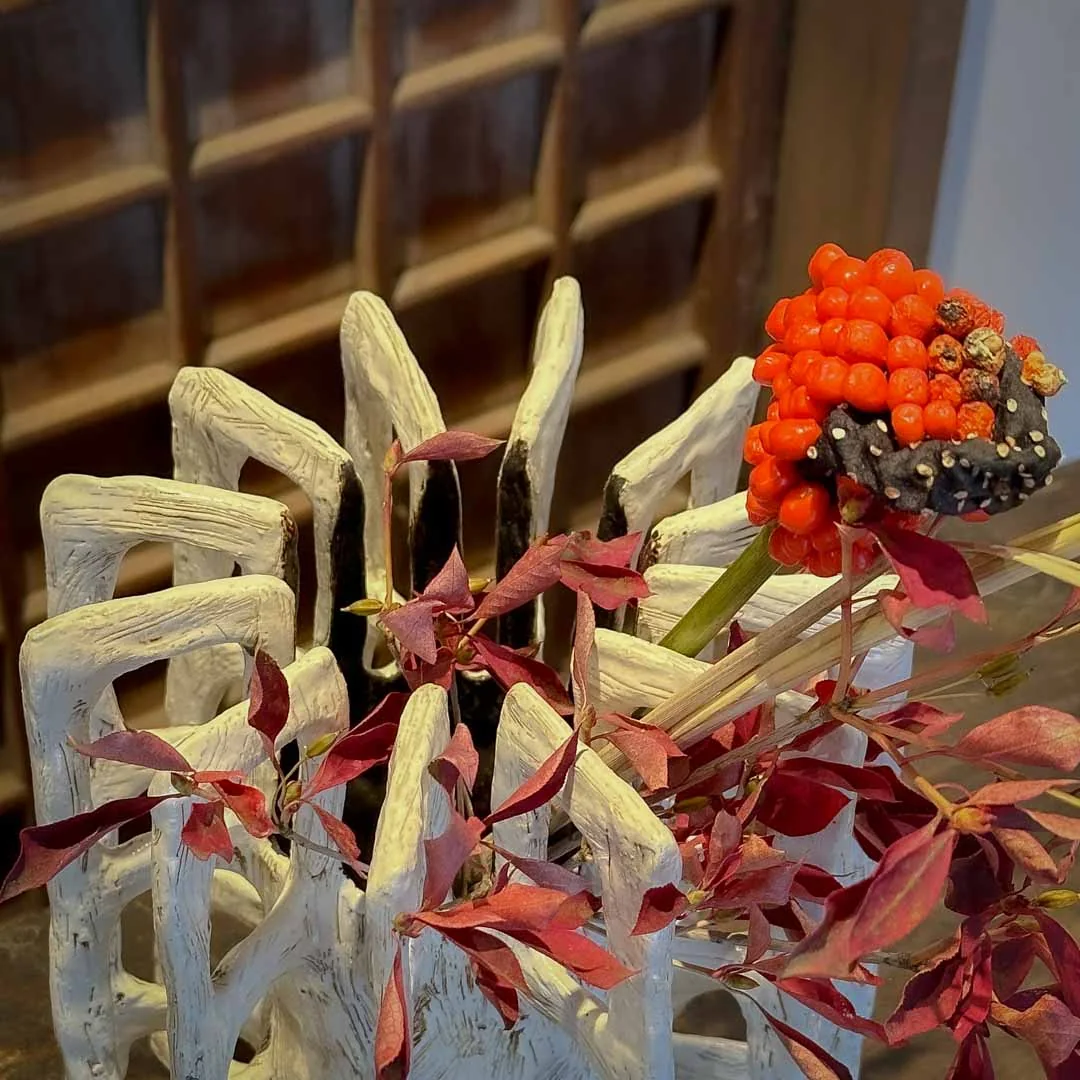
Mini Gallery
A feature on flower vases and planters, for bringing flowers and greenery into your autumn.
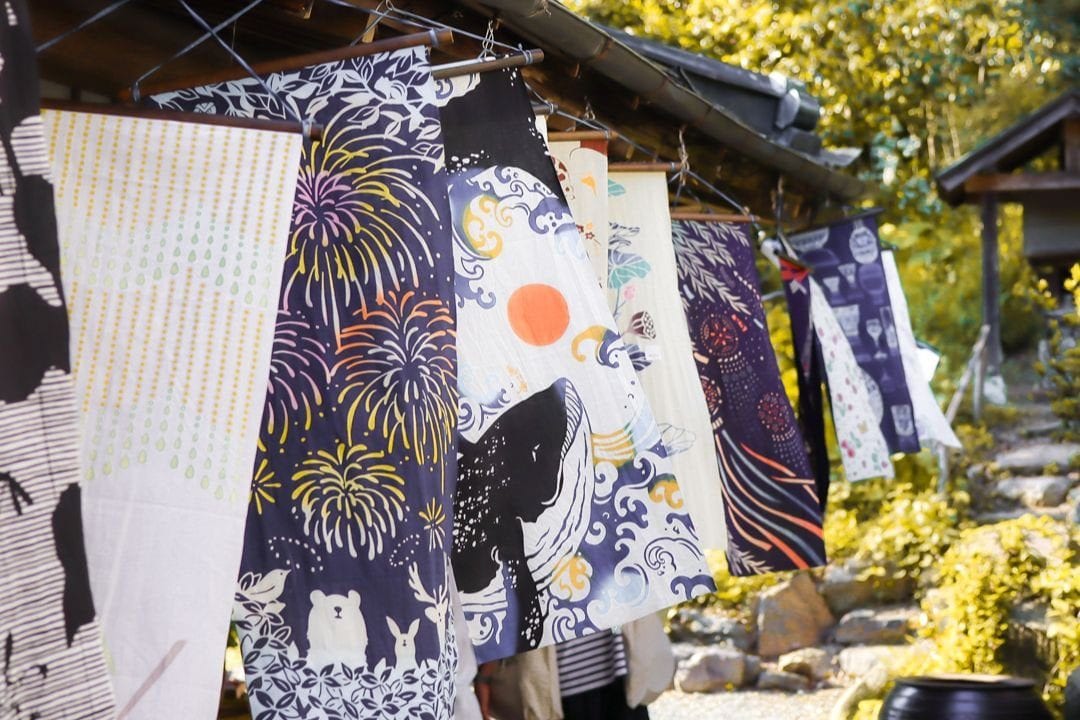
Crafts and everyday goods are set out on the veranda of a Taisho-era house.
NIKAI
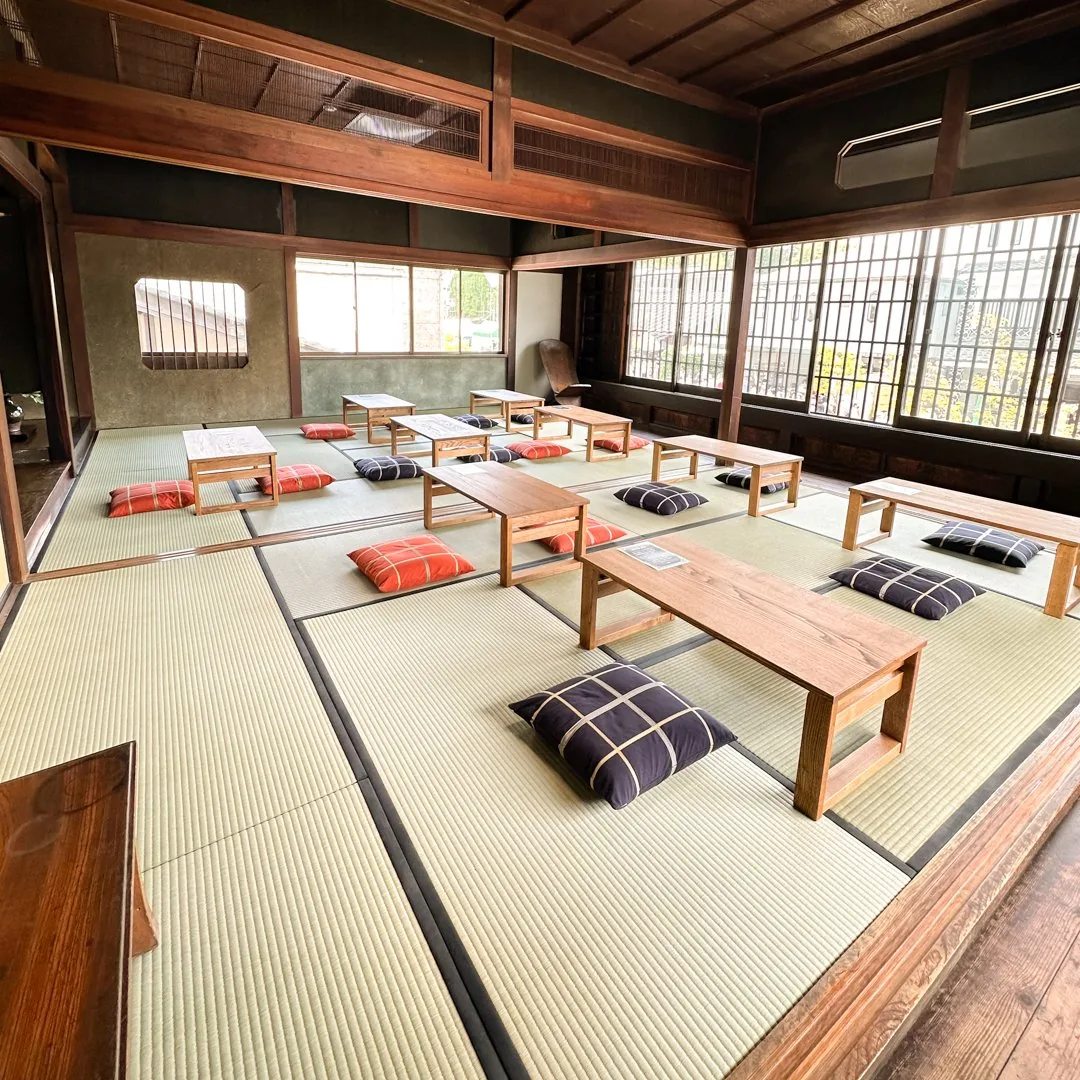
NIKAI, the second floor of the Japanese-Room Gallery, is open as a rest space for TOKO CLUB members. Take a rest while looking out over the festival street from the second floor of a building built about 100 years ago.
Oya Stone Warehouse Gallery / Oct 24–Nov 12, 2026
Japanese-Room Gallery / Oct 24–Nov 12, 2026
Mini Gallery
A feature on flower vases and planters, for bringing flowers and greenery into your autumn.
Crafts and everyday goods are set out on the veranda of a Taisho-era house.
NIKAI
NIKAI, the second floor of the Japanese-Room Gallery, is open as a rest space for TOKO CLUB members. Take a rest while looking out over the festival street from the second floor of a building built about 100 years ago.
Yoshimichi Goda Memorial Room
Outlet pieces from Sayado Wadagama are on sale.
EXPERIENCE
Choose your favorite of six traditional Mashiko glaze colors, write what you hope to find at this festival, and hang your card on the line. By the end of the festival, everyone’s colors come together.
Nuka, Namijiro, Seiji, Ame, Kaki and Kuro: a short read on the six traditional glazes of Mashiko ware, their materials and where their colors come from. Also printed on the TOKO MAP during the festival.
See the six glazesA photo spot appears at the entrance of Toko. Take a photo to remember Mashiko by, with the stone warehouse in the background.
Please share it on social media, too.
MASHIKO COLORS
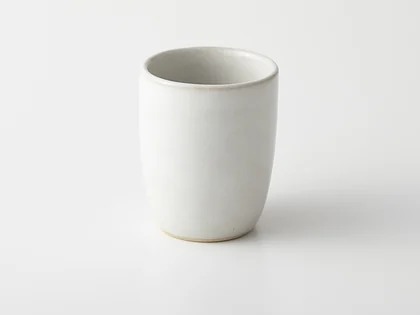
Sayado Wadagama mashiko Manbo teacup Nuka glaze
A glaze made mainly from the ash of burnt rice husks and straw, mixed with feldspar. The ash itself is dark, but fired at about 1,200°C with plenty of oxygen it turns milky white. With use, the color of tea and dashi soaks in faintly and becomes part of the character of the piece. That change is one of its pleasures.
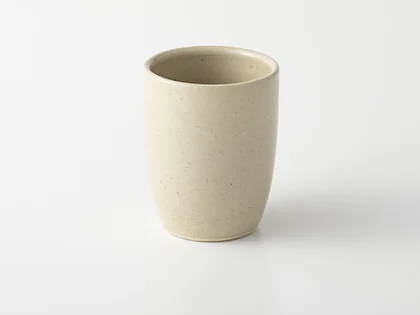
Sayado Wadagama mashiko Manbo teacup Namijiro glaze
Despite the name, which means "ordinary white", the glaze contains no white color and fires clear and transparent. It is made from Oyatsu sand, lime and feldspar. Applied over painting or slip, it protects the pattern and color while letting them show through. It is seldom used on its own, yet some pieces make namijiro the main glaze, where it becomes a ground that sets off the food.
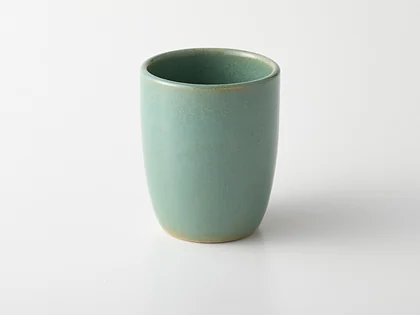
Sayado Wadagama mashiko Manbo teacup Seiji glaze
Copper oxide is added to nuka glaze, and firing with plenty of oxygen turns it blue. It is also called "Mashiko seiji". Chinese celadon gets its blue-green from iron fired with reduced oxygen, so both the principle and the color are different. From the same ash as nuka glaze come two different colors, white and blue. The color changes with use, and the piece gains depth over time.
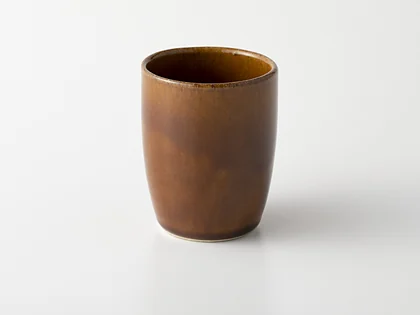
Sayado Wadagama mashiko Manbo teacup Ame glaze
A clear, glossy brown like amber candy. It is usually made by adding manganese oxide to namijiro glaze. Sayado Wadagama makes it the old Mashiko way, combining Ashinuma stone with wood ash. When fired, the iron in the glaze may appear as small dots, and fine crazing may form.
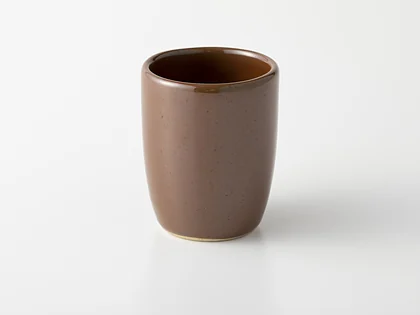
Sayado Wadagama mashiko Manbo teacup Kaki glaze
The glaze that represents Mashiko, a reddish brown like a ripe persimmon. Its material is Ashinuma stone, rich in iron, from Ashinuma in the north of Mashiko. It is ground, mixed with water and made into glaze. Because it keeps water from seeping through, it was once used for water jars and mortars. It also holds heat well, so in the cold Tohoku region it was used to glaze roof tiles, and reddish brown roofs can still be seen there.
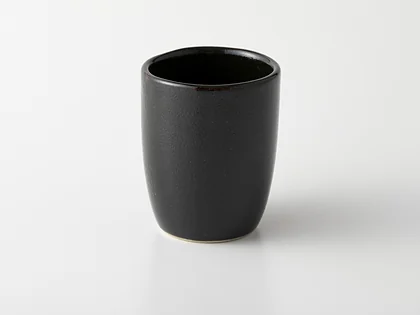
Sayado Wadagama mashiko Manbo teacup Kuro glaze
A deep black that appears when the iron in the glaze passes a certain amount. It is made from the same Ashinuma stone as kaki and ame glazes, with the iron raised further. Fired with plenty of oxygen, it takes on a rough surface like yuzu peel (yuzu-hada); fired with reduced oxygen, it becomes a smooth jet black. It is the color that long served Mashiko’s sturdy kitchenware, such as earthenware teapots, mortars and water jars.
ARTIST TENTS
17 artists
Each artist runs their own tent.
Tap a card for details
Born in Hino, Tokyo, in 1976. Graduated from Musashino Art University in 1998 and completed the Aichi Prefectural Ceramics Training School in 2003, then worked at a pottery in Mashiko before setting up independently in 2010.
TOKO PARK
9 exhibitors
Tap a card for details
TOKO STREET
9 shops
Tap a card for details
Sweets / Nikko
Hamburgers and meat dishes / Oyama
Creative cuisine / Utsunomiya
Okonomiyaki / Moka
Japanese sweets / Oyama
Japanese-style cafe / Mibu
Coffee and Western sweets / Utsunomiya (inside Toko, at Art Space Jonaizaka)
International cuisine / Tochigi
Bakery / Utsunomiya
MEMBERSHIP
TOKO CLUB is Toko’s membership community. Membership is free and open to everyone.
Join TOKO CLUBFor TOKO CLUB members only: you can reserve a space in the TOKO CAR PARK free of charge. It is about a 9-minute walk (about 700 m) to the Kyohan Center at the festival grounds. Reservations are for one car per person for one day, first come, first served, until 18:00 on Friday, October 30. Entry is from 8:00 to 14:00, and cars must leave by 18:00.
Reserve a parking space →
During the festival, Toko will look after your bags so you can stroll the festival unburdened.
TOKO CLUB members only

NIKAI, the second floor of the Japanese-Room Gallery, is open as a rest space for TOKO CLUB members. Take a rest while looking out over the festival street from the second floor of a building built about 100 years ago.
You are welcome to bring your own food and drink.
With TOKO CLUB, you earn points of 3% or more on purchases at the Toko shop and the online store, receive invitations to members-only events, and enjoy various other benefits.
Depending on the amount you purchase, further services are also available.
TOKO CLUB details →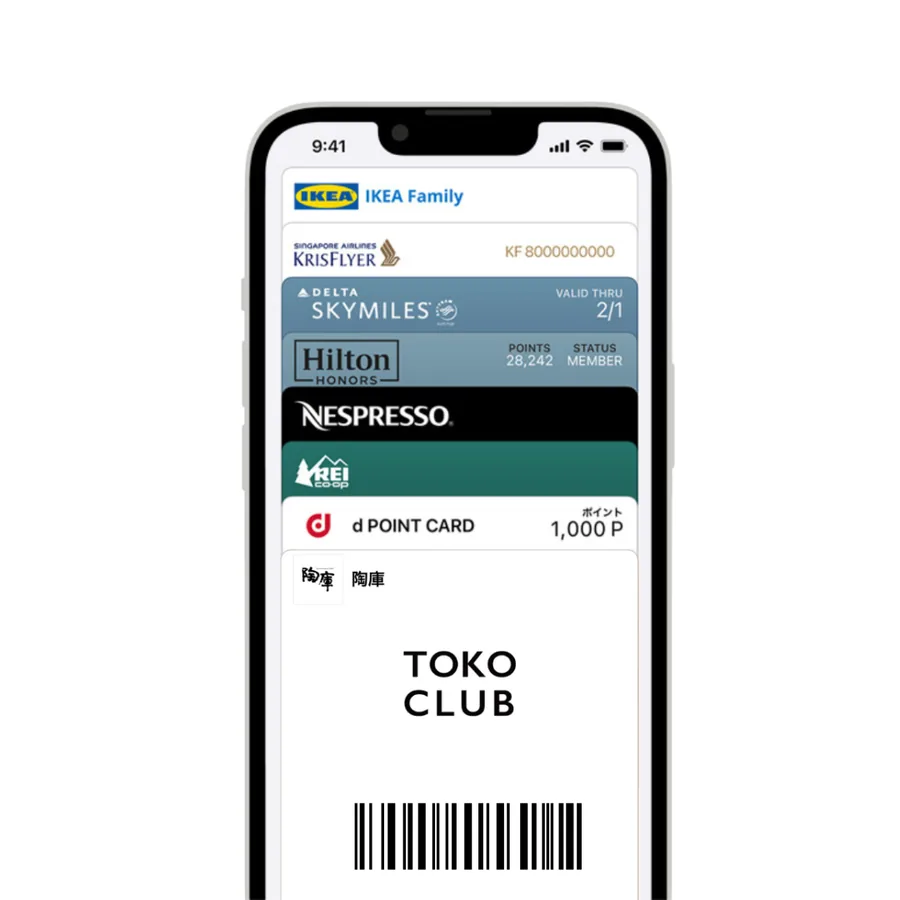
There are four stages. New members start at AKACCO. Stages are set by your purchases (excluding tax) from January 1 to December 31 of the previous year, and all members move to their new stage on January 1.
During the pottery festival, the benefits of the stage one above yours apply to your purchases.
| AKACCO | GOLD | PLATINUM | BLACK | |
|---|---|---|---|---|
| Annual purchases | Under ¥30,000 | ¥30,000+ | ¥100,000+ | ¥300,000+ |
| Point rate | 3% | 4% | 6% | 9% |
| Toko news | ○ | ○ | ○ | ○ |
| Invitations to members-only events | ○ | ○ | ○ | ○ |
| Invitations to special members-only events | — | ○ | ○ | ○ |
| Free gift wrapping | — | ○ | ○ | ○ |
| Half-price shipping | ○ | ○ | — (free) | — (free) |
| Free shipping | — | — | ○ | ○ |
| Your choice of Toko’s top-tier service | — | — | — | ○ |
For the full terms, see “Before you use TOKO CLUB” on the TOKO CLUB page.
For BLACK members, “Your choice of Toko’s top-tier service” is arranged individually according to your wishes. Details are sent to eligible members directly.
ABOUT
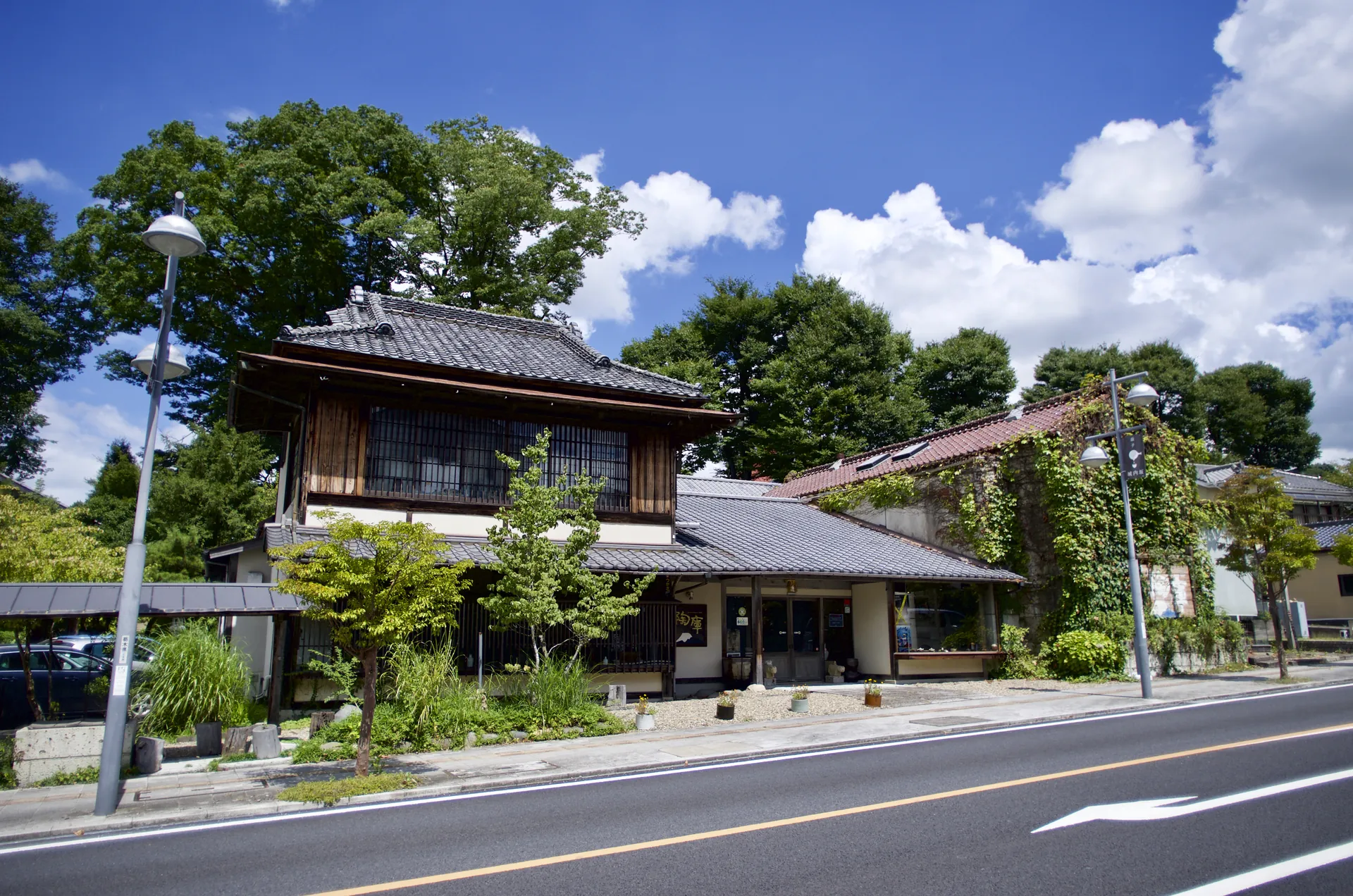
Toko opened in 1974 in a converted rice storehouse of Oya stone facing Jonaizaka Street. In 1995 the main house was moved and joined to the stone storehouse, giving the building its present form, which received the Tochigi Marronnier Architecture Award (1995). We carry the work of more than 30 Mashiko potters and hold a new exhibition about every two weeks, over 1,000 to date. You can also visit the Yoshimichi Goda Memorial Room, and see the tableware of our own brand, Sayado Wadagama.
1974
Founded
30
potters and more
1000
exhibitions and more